Antique Market Shopping Guide: Time-Traveling Souvenirs
The antique market is a portal to another time, a place where the past whispers through the delicate cracks of porcelain, the weathered edges of leather-bound books, and the tarnished gleam of silver pocket watches. For collectors and casual browsers alike, these markets offer more than just objects—they provide fragments of history waiting to be rediscovered. Whether you're a seasoned hunter or a first-time visitor, navigating the labyrinth of stalls requires a blend of intuition, knowledge, and a touch of serendipity.
The Allure of the Hunt
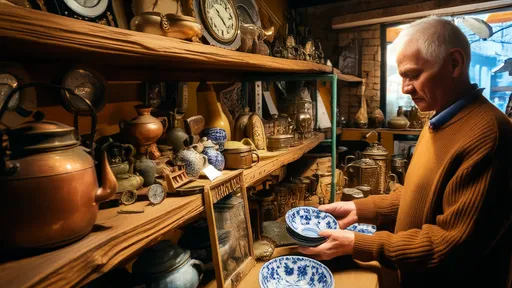
There’s something undeniably thrilling about sifting through rows of mismatched treasures, each with its own untold story. Unlike the sterile predictability of modern retail, antique markets thrive on unpredictability. One stall might hold a Victorian-era brooch nestled beside a mid-century rotary phone, while another could surprise you with a stack of yellowed postcards from the 1920s. The joy lies in the unexpected—the chance encounter with an item that speaks to you across decades or even centuries.
For many, the appeal isn’t just in ownership but in the act of uncovering. The faint scent of aged paper, the weight of a cast-iron skillet that once fed a family, the intricate craftsmanship of a hand-carved wooden box—these details connect us to lives long past. It’s easy to lose hours running fingers over textures, squinting at hallmarks, or debating the origins of a peculiar artifact with a vendor who’s as passionate about history as you are.
Knowing What to Look For
While spontaneity is part of the fun, a little preparation can turn a leisurely stroll into a successful treasure hunt. Start by researching the market itself—some specialize in furniture, others in jewelry, textiles, or militaria. Arriving early often yields the best picks, but latecomers might snag last-minute bargains as vendors pack up. Bring cash, as many sellers prefer it, and don’t shy away from polite haggling; it’s part of the ritual.
Condition is key, but so is character. A chipped vase might be a dealbreaker for some, while others see the flaw as part of its charm. Look for signs of authenticity: maker’s marks, patina that suggests age (not artificial distressing), and construction techniques indicative of the period. If something feels off, trust your instincts. Conversely, if an item stops you in your tracks, take a moment to imagine its journey. Was it a wedding gift? A souvenir from a grand tour? The narrative you create can be as valuable as the object itself.
The Stories Behind the Objects
Every piece in an antique market has survived wars, moves, and changing tastes to end up in front of you. A faded quilt might have been stitched by hand during long winter nights, its fabric scraps repurposed from outgrown dresses. A dented copper kettle could have simmered over countless hearths before electric stoves rendered it obsolete. These items carry the imprints of their former owners, and part of the magic is honoring those invisible histories.
Vendors often serve as unofficial historians, eager to share tales of provenance. Listen closely—you might learn that the Art Deco lamp on display was salvaged from a demolished theater or that the cameo pendant belonged to a suffragette. Such stories add layers of meaning, transforming a beautiful object into a tangible link to the past. Even without documentation, the craftsmanship of bygone eras tells its own story. The dovetail joints of an antique drawer, for example, reveal a pre-industrial attention to detail rarely found in mass-produced furniture today.
Preserving the Past, One Find at a Time
In a world increasingly dominated by disposability, antique markets remind us of the value of preservation. Each purchase is a small act of conservation, rescuing artifacts from obscurity and giving them new purpose. A vintage typewriter becomes a writer’s inspiration, an heirloom ring a symbol of continued legacy. The market isn’t just a place to buy—it’s a space where stewardship and curiosity intersect.
Beyond nostalgia, there’s an environmental argument for choosing antiques. Reusing and repurposing items reduces waste, and older goods often outlast their modern counterparts. A sturdy oak desk from the 1940s, for instance, will likely endure longer than particleboard alternatives. In this way, treasure hunting becomes both a personal pleasure and a nod to sustainability.
Leaving Your Own Mark
The cycle continues with every acquisition. The items we cherish today will one day pass to new hands, carrying forward the stories we’ve attached to them. Perhaps your collection of antique maps will inspire a future historian, or the retro kitchenware you’ve curated will charm another generation. The market is a living dialogue between then and now, and each visitor plays a part in keeping history alive.
So go ahead—lose yourself in the labyrinth. Let the weight of a centuries-old coin rest in your palm, admire the play of light through stained glass, or marvel at the intricate gears of a mechanical clock. The past is waiting, and its treasures are yours to discover.