Lighthouse Keepers: The Solitary Romance on the Coastline
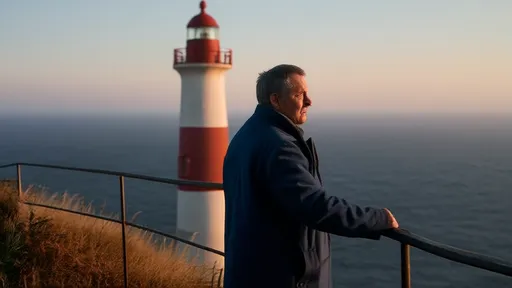
The sea has always been a place of mystery and adventure, but few understand the quiet dedication of those who keep its shores safe. Lighthouse keepers, often forgotten in the modern age, once held one of the most solitary yet vital roles along the coastlines. Their lives were woven into the rhythm of the tides, the cry of gulls, and the relentless turning of the beacon light. There was a romance to their isolation—a kind of love affair with the sea that few could endure.
In the golden age of lighthouses, these structures stood as towering sentinels against the darkness. Built on jagged cliffs, remote islands, or treacherous shoals, they were often the only thing standing between sailors and disaster. The keepers who manned them were not just employees; they were part of the lighthouse itself. They knew its quirks, its sounds, and its moods. They polished the lenses until they gleamed, wound the clockwork mechanisms, and kept the flame alive through storms and stillness alike.
Their days were ruled by routine, but their nights belonged to the sea. When fog rolled in, thick and suffocating, the keeper would sound the horn, its mournful bellow cutting through the mist. In the worst gales, they would watch waves crash against the rocks below, wondering if this would be the storm that finally claimed their tower. Yet, they stayed. Some for years, others for decades. The isolation was brutal, but there was beauty in it—the kind that only those who have lived it can truly understand.
Many keepers brought their families to these remote outposts, turning stone towers into homes. Children grew up knowing the sound of the foghorn better than church bells. Wives learned to stretch supplies when the weather kept supply boats away for weeks. Life was hard, but it was also simple. There were no distractions, no noise of the city—just the sea, the sky, and the steady light that guided ships home.
Yet, the role of the lighthouse keeper was always a fleeting one. Technology advanced, and automation crept in. One by one, the lighthouses that once required constant care became self-sufficient. The keepers were no longer needed. Some moved on to other jobs; others could never quite leave the sea behind. A few became the last of their kind, watching as their way of life faded into history.
Today, most lighthouses stand empty, their lights now powered by machines. Tourists climb their spiral staircases and marvel at the view, but few think of the men and women who once lived there. The romance of the lighthouse keeper is a dying one, preserved only in stories and the occasional memoir. But for those who listen closely, the sea still whispers their names—the ones who kept the light burning, no matter the cost.
There is something undeniably poetic about their sacrifice. They were not heroes in the traditional sense, but they saved lives in silence. No fanfare, no recognition—just the steady glow of a lamp in the night. Perhaps that is the truest form of love: to stand watch over something greater than yourself, knowing that most will never even see your face.
The coastline remembers them, even if we do not. The waves still break against the rocks where they once stood. The wind still howls through the lantern rooms they polished with such care. And somewhere, in the quiet between the tides, the lonely romance of the lighthouse keeper lingers on.