Street Art Tour: A Creative Map of Graffiti Cities
The concrete jungles of our modern cities have become canvases for a vibrant, ever-evolving art form. Street art, once dismissed as mere vandalism, now stands as a testament to urban creativity, social commentary, and cultural identity. From sprawling murals to subtle stencils, these public artworks transform bland cityscapes into open-air galleries that pulse with life and meaning.
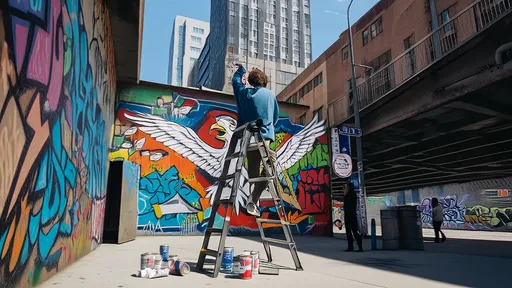
Walking through neighborhoods where street art thrives feels like embarking on a treasure hunt. Each corner reveals new visual stories - some whimsical, others politically charged, many simply beautiful. The artists behind these works range from internationally renowned figures to local talents using alleyways as their studios. What unites them is a desire to break art free from institutional constraints and engage directly with the public.
Berlin wears its street art like a badge of honor. The remnants of the Berlin Wall, particularly the East Side Gallery, showcase how urban art can memorialize history while reinventing it. The city's Kreuzberg district serves as ground zero for experimental works that blend graffiti traditions with contemporary techniques. Here, art doesn't just decorate walls - it converses with the city's complex identity, from its divided past to its unified present.
Across the Atlantic, New York's Bushwick Collective in Brooklyn demonstrates how organized street art initiatives can revitalize neighborhoods. What began as a local effort to combat bland industrial facades has grown into an internationally recognized outdoor gallery. The artworks here change regularly, ensuring the urban landscape remains dynamic. This constant evolution reflects the very nature of street art - ephemeral yet enduring in its impact.
Melbourne's laneways prove that street art can bring warmth to even the most utilitarian urban spaces. The city's famous Hosier Lane attracts visitors from around the world, its surfaces layered with years of artistic expression. Unlike traditional galleries where works remain static, these alleyways breathe - new pieces appear overnight, sometimes covering older ones in an endless cycle of creative renewal.
The relationship between street art and its urban environment creates fascinating dialogues. In Lisbon, colorful murals climb the sides of ancient buildings, their modern aesthetics contrasting with traditional Portuguese tiles. The city's hills become natural viewing platforms for these large-scale works, while the ubiquitous yellow trams provide moving vantage points. This interplay between art, architecture, and urban topography makes Lisbon's street art scene uniquely captivating.
Street art tourism has emerged as a significant cultural phenomenon, with enthusiasts traveling across continents to witness specific works or follow particular artists. This pilgrimage differs markedly from traditional art tourism - there are no tickets to buy, no opening hours to observe. The experience is democratic, available to anyone who walks the streets with curious eyes. Some cities have embraced this trend, offering guided tours that contextualize the artworks while respecting their organic placement in the urban fabric.
The digital age has transformed how we discover and document street art. Social media platforms serve as crowdsourced maps, with users sharing locations of striking works. This virtual network helps ephemeral art live beyond its physical lifespan while creating global connections between local scenes. However, the thrill of stumbling upon an incredible mural while wandering unfamiliar streets remains unmatched - the serendipity forms part of the art's magic.
Legal walls have become important testing grounds where street artists can work without fear of prosecution. Cities like Paris have designated areas where painting is encouraged, creating spaces for experimentation while preserving other urban areas. These zones often become hotspots for emerging talent, their walls constantly evolving as new generations of artists leave their mark. The tension between sanctioned and unsanctioned work continues to fuel debates about art, public space, and ownership.
Street art's ability to reflect and shape neighborhood identity makes it particularly powerful in gentrifying areas. In some cases, the arrival of high-profile murals accelerates gentrification, while in others, local artists use their work to assert community identity against homogenizing forces. This dual nature highlights street art's complex relationship with urban development - it can be both a tool for and a reaction against change.
The materials and techniques of street art continue to diversify beyond spray paint. Wheatpaste posters, ceramic tiles, knitted yarn, and even living plants have become mediums for urban expression. Some artists incorporate technology, using augmented reality to add digital layers to physical works. This constant innovation ensures street art remains at the cutting edge of contemporary art practice while staying rooted in public accessibility.
Mapping street art presents unique challenges compared to documenting traditional art forms. The transience of works, combined with their often-hidden locations, creates a shifting cartography of creativity. Some organizations have risen to this challenge, creating dynamic digital maps that users can update in real time. These living documents capture the fleeting nature of street art while preserving its memory.
As cities grow more homogenized under global capitalism, street art serves as an antidote - asserting local character and providing platforms for marginalized voices. The best urban art scenes develop organically from their communities rather than being imposed from above. They reflect the hopes, frustrations, and humor of the people who inhabit these spaces daily.
The future of street art lies in its ability to adapt while maintaining its rebellious spirit. As corporate interests increasingly co-opt urban art aesthetics, the distinction between authentic expression and commercial appropriation becomes blurred. Yet the very nature of street art - its unpredictability, its accessibility, its deep connection to place - ensures it will continue to evolve in surprising ways. The cities that embrace this creative energy without overly controlling it will be the ones whose streets tell the most compelling stories.