From Forgotten Chats to Shared Savings: How a Cashback App Reconnected Me With an Old Friend
You know that bittersweet feeling when you stumble upon an old text thread and suddenly miss someone you once told everything to? I felt it too—until a simple cashback app turned my solo shopping habit into an unexpected reunion. What began as a way to save a few dollars on groceries quietly rebuilt a bridge I thought was gone for good. It wasn’t a birthday post or a holiday card that brought us back together. It was a notification about oat milk. And in that small, silly moment, something deeper clicked: technology doesn’t always have to be loud to be meaningful. Sometimes, the quietest tools help us find our way back to what matters most.
The Accidental Discovery: When Saving Money Led to Something Bigger
I’ll admit it—I didn’t download the app for emotional healing. I downloaded it because I was tired of watching my grocery bill climb while my bank account shrank. I saw an ad during my morning scroll: "Get money back on the things you’re already buying." That sounded reasonable. No gimmicks, no points to remember, just cold, hard cash deposited monthly into my account. I figured, why not? I was already buying coffee, toothpaste, and almond milk anyway. If I could get a few dollars back, great. If not, no harm done.
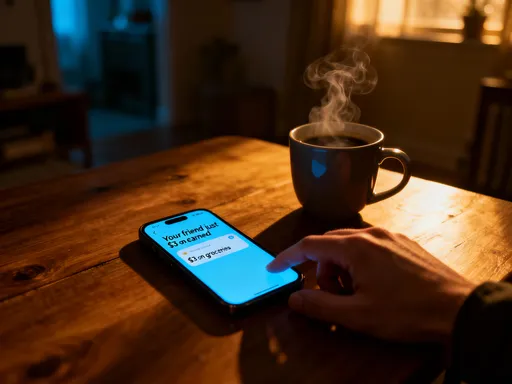
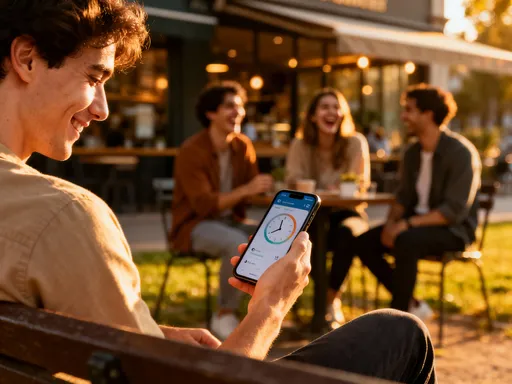
The first few weeks were exactly what I expected—low drama, low effort, small wins. I scanned my receipt after picking up my usual latte and got $0.75 back. A week later, I saved $2.40 on a bag of organic apples. Nothing life-changing, but it felt good. Like I was finally outsmarting the system just a little. Then one evening, as I was unloading the dishwasher and half-watching my phone, a notification popped up: "Your friend just earned $3 on their grocery haul." I froze. My coffee cup hovered mid-air. Friend? What friend? I didn’t remember adding anyone. I tapped the message, half-expecting a scam or some weird algorithmic glitch.
And there she was. Her name. Her profile photo—slightly different, a little more grown-up, but unmistakably *her*. Maya. My college roommate. The person I used to call at 2 a.m. to cry about bad dates, celebrate job offers, or debate whether pineapple belongs on pizza (she’s still wrong, by the way). We’d drifted apart after graduation, as people sometimes do. Life got busy. She moved across the country. I got married. We liked each other’s photos once in a while, but real conversation? That had faded years ago. And now, out of nowhere, she was in my cashback app.
I sat down, heart pounding. It wasn’t romantic. It wasn’t dramatic. But it was real. And it was strange how something so ordinary—a grocery receipt—could feel like a lifeline. I didn’t know whether to laugh or cry. All I knew was that I suddenly wanted to talk to her. Not because of the app, but because the app had reminded me that she still existed in my world, even if just digitally. And maybe, just maybe, that was enough to start again.
How the App Works—Without Feeling Like One
One of the reasons this whole thing didn’t feel forced or awkward is because the app itself is built differently. It doesn’t demand your attention. It doesn’t send ten push notifications a day asking you to post, comment, or share. It doesn’t track your location or flood your feed with ads. Instead, it sits quietly in the background, like a helpful neighbor who only knocks when they have something useful to say.
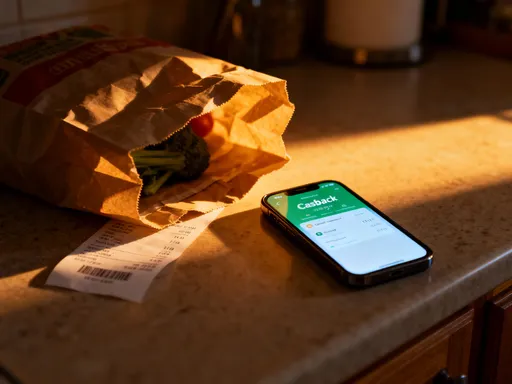
Here’s how it works: you shop at stores you already love—your local market, drugstore, even online retailers. After checkout, you snap a photo of your receipt using the app. That’s it. No barcode scanning stress, no membership cards to carry. The app reads the items, credits you for eligible purchases, and deposits cash into your account every month. Some categories pay more—groceries, household essentials, personal care—so you naturally start paying a little more attention to what you buy. But it never feels like homework.
The magic, though, is in the friend feature. When you connect with someone else on the app, you both earn bonus cashback on certain purchases. Not a lot—maybe an extra 1%—but enough to make you smile when you see it. And here’s the thing: you don’t have to talk. You don’t have to post anything. The connection is passive, but present. It’s like having a shared savings jar with someone you care about. You both contribute in small ways, and over time, it adds up—both financially and emotionally.
What I love most is that it doesn’t replace real conversation. It *invites* it. There’s no pressure to perform, no need to craft the perfect message. Instead, the app gives you natural openings: "You bought chamomile tea again? Still can’t sleep?" or "Wait, you’re using that same face serum from college? I thought it was discontinued!" These tiny moments spark real talk. And because they’re rooted in real life—what we’re actually doing, buying, using—they feel authentic. Not curated. Not performative. Just… human.
The First Message in Years: Breaking the Ice Over Grocery Lists
I stared at the screen for what felt like forever. My fingers hovered over the keyboard. I wanted to say something meaningful, something that would make up for years of silence. But the truth is, big moments often start small. So I went with what felt true: "Wait, is this really you? I just saw your oat milk receipt—still the same brand!"
Three dots appeared. Then disappeared. Then reappeared. I held my breath. And then: "OMG, it’s you! I couldn’t believe it when I saw your name on my feed. I’ve been buying that oat milk for *ten years*. You’re the only person who’d even notice that."
We both laughed—through text, but it still counted. That one message cracked the door open. We started with groceries, of course. She teased me for buying three jars of peanut butter in one trip. I called her out for stocking up on red wine again before the weekend. It was silly. It was comfortable. It was *us*.
Within an hour, we’d slid into deeper territory. She told me about her mom’s recent surgery. I shared how overwhelmed I’d been feeling since my youngest started kindergarten. We weren’t just catching up on purchases—we were catching up on *life*. And the beautiful thing was, we didn’t have to schedule a call or plan a visit. We didn’t need a big occasion. We just needed a receipt, a notification, and the courage to say hello.
Looking back, I realize how much easier it was to reconnect this way. A phone call might have felt too heavy. A text out of the blue might have seemed strange. But a comment about oat milk? That was safe. It was light. It was familiar. It reminded us of who we used to be—and showed us who we’d become.
Turning Small Purchases Into Shared Moments
After that first message, something shifted. We stayed connected on the app, and slowly, our digital trail began to mirror a real friendship. Every time one of us made a purchase, the other got a little ping. "Maya just saved $6.80 on allergy meds." "Sarah just earned $2.10 on organic eggs." At first, we ignored most of them. But soon, we started commenting.
"Allergy season hitting hard?" I asked.
"Every spring since college," she replied. "Remember when we tried to open all the dorm windows during pollen season and got written up?"
"How could I forget? You made me tape up the cracks with toilet paper."
We both laughed. And just like that, we were back in time. These little exchanges became our rhythm. No pressure. No expectations. Just check-ins woven into the fabric of everyday life.
One week, I noticed she’d bought a book: "The Art of Gathering" by Priya Parker. "Planning a big event?" I asked.
"Trying to," she said. "I’ve been asked to host a women’s retreat at work. Nervous, but excited."
"You’ll be amazing," I wrote. "Remember how you organized that surprise birthday for Jen in our junior year? Best party ever."
That conversation led to a 45-minute voice note exchange. Then a Zoom coffee date. Then plans to meet up when I travel to her city next spring. All sparked by a $14 book purchase.
It’s not just about the big things, though. It’s the small, steady presence. Seeing her name pop up when she buys her favorite tea. Knowing she sees mine when I splurge on fancy chocolate. These tiny digital breadcrumbs create a sense of continuity. Like we’re not just remembering each other—we’re rebuilding something, one receipt at a time.
Beyond the Cash: The Emotional ROI of Reconnection
Yes, we’ve split over $80 in rewards since reconnecting. That’s nice. I won’t lie—it feels good to get a little extra cash each month. But if I had to choose between the money and the friendship, I wouldn’t hesitate. The real reward has been the return of her voice in my life. The return of laughter. Of understanding. Of someone who knows my history and still chooses to stay.
We’ve talked about so much more than shopping. We’ve shared struggles—her divorce, my anxiety during the pandemic, the joy of watching our kids grow. We’ve celebrated wins—her promotion, my first published article, her decision to go back to school. We’ve even argued—gently—about politics, parenting styles, and whether TikTok is ruining attention spans (spoiler: we agree it kind of is).
But here’s what surprises me most: the app didn’t create this bond. It didn’t manufacture feelings that weren’t there. It simply gave us a low-pressure, low-effort way to *re-engage*. No need for grand gestures. No need to explain why we’d drifted. Just a shared habit, a little tech, and the willingness to say, "Hey, I see you. I remember you. I’d like to talk."
In a world where so many apps are designed to keep us scrolling, comparing, and feeling less than, this one does the opposite. It rewards presence. It celebrates small, real moments. It reminds us that connection doesn’t have to be loud to be powerful. Sometimes, the quietest interactions—the ones that happen in the margins of our day—are the ones that heal us the most.
How to Use the App to Strengthen Any Relationship
After what happened with Maya, I started thinking—could this work with other people in my life? So I tried it. I invited my sister. She was skeptical at first. "You want me to send you my grocery receipts? That’s kind of weird," she said. I laughed. "Not the receipts. Just link up. You’ll see."
Within a week, she messaged me: "You bought frozen waffles again? Still can’t cook breakfast, huh?" It was teasing, but it was also love. We started sharing little wins—her son’s soccer goal, my garden tomatoes finally ripening. We celebrated each other’s small victories in a way we hadn’t in years.
I even connected with a coworker, Lisa, who mentioned she used the app too. We’re not close friends, but now we occasionally comment on each other’s purchases. "New running shoes? Training for a race?" "Yes! Half-marathon in October." "You’ve got this!" It’s not deep, but it’s warm. It builds camaraderie. It turns coworkers into people with lives, stories, and favorite snacks.
The trick, I’ve learned, is to start small. Don’t expect a years-long friendship to bloom overnight. Just share a funny purchase. Celebrate a win. Ask a gentle question. Let the app be the background hum of care—like leaving the porch light on for someone. You’re not demanding attention. You’re simply saying, "I’m here. I see you. I’m glad you’re part of my world."
And if that leads to a voice note, a phone call, or even a visit? Even better. But even if it doesn’t, the connection still matters. Because sometimes, just knowing someone is paying gentle attention is enough to make you feel less alone.
Why This Kind of Tech Feels Different—And Why It Matters
We’re surrounded by technology that shouts. Apps that beg for likes. Notifications that buzz like alarms. Social media feeds that make us feel like everyone else is living a better life. It’s exhausting. And honestly? It’s not really connection. It’s performance.
What I love about this app is that it does the opposite. It respects silence. It doesn’t demand your time. It doesn’t rank your popularity or show you who’s ignoring you. It just… waits. And when you’re ready, it hands you a thread—thin but strong—back to someone who matters.
It reminds me that technology doesn’t have to be flashy to be transformative. Sometimes, the best tools are the ones that help us slow down, notice the small things, and reconnect with what’s already meaningful. They don’t replace real life. They support it. They weave into it. They make it easier to say, "I miss you," without having to say it at all.
In a way, this app taught me that love and friendship don’t always need big declarations. Sometimes, they just need a shared habit, a quiet reminder, and the courage to click "message." They need space to grow slowly, without pressure. They need to be tended in the everyday—through oat milk, face serums, and frozen waffles.
So if you’re feeling disconnected—if there’s someone you miss but don’t know how to reach out to—maybe try this: download an app that helps you save money. Link up. See what happens. You might not get rich. But you might just get something better: a second chance at a friendship that still has something to say.