Tired of the living room becoming a battleground of remotes and schedules? A smarter way to unwind together
Ever found yourself arguing over the TV remote while someone else wants to dim the lights, turn on music, and set a timer for dinner—all at once? Modern life shouldn’t feel this chaotic. Smart leisure spaces aren’t about flashy gadgets—they’re about harmony. They help families sync their routines, preferences, and moods, turning shared spaces into places of comfort and connection. This is technology not for show, but for better, easier days. It’s about coming home to a space that feels like it understands you—where the lights know when to soften, the music knows what to play, and the chaos of everyday life finally takes a backseat.
The Chaos of Modern Downtime
Let’s be honest—family time at home should be relaxing, not exhausting. But how often does movie night start with someone yelling, “Where’s the remote?” or “Why is the volume so low?” You finally agree on a film, only to realize the kids’ tablet is still playing a cartoon in the background, the dining table light is blinding, and the thermostat is stuck on “Arctic mode.” Suddenly, what was supposed to be cozy has turned into a tech troubleshooting marathon. We’ve all been there. And it’s not just the devices—it’s the mental load of managing them all. Who remembers to turn off the porch light? Who has to get up to adjust the blinds? Who’s always the one fiddling with the soundbar settings?
This isn’t just about convenience. These little frustrations chip away at our peace. They pull us out of the moment and into problem-solving mode, just when we’re trying to unwind. For women juggling work, kids, meals, and schedules, this extra layer of friction can feel like salt on a wound. We want to enjoy time with our families, not spend it wrestling with technology that’s supposed to help. The truth is, our homes are full of smart devices—but they’re not working together. A smart speaker here, a Wi-Fi lightbulb there, a streaming box over there—each doing its own thing. Without coordination, they don’t simplify life. They complicate it.
And it’s not just about gadgets. It’s about the emotional toll of constant negotiation. “Can we watch this?” “No, I wanted to listen to music.” “Can you turn the lights down?” “I already did!” These tiny conflicts, repeated over time, can strain relationships. We’re not mad at each other—we’re mad at the situation. But the situation doesn’t have to be this way. What if your home could help prevent these moments instead of causing them? What if your living room could adapt to your family’s rhythm, not fight against it?
What Exactly Is a Smart Leisure Space?
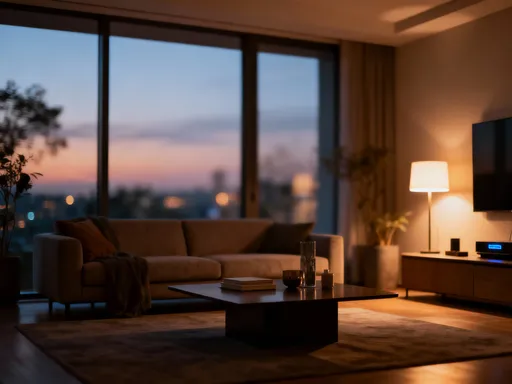
A smart leisure space isn’t a futuristic showroom with robot butlers and holograms. It’s simply a living area where your devices work together—intentionally and quietly—so you don’t have to. Think of it like a well-conducted orchestra. You’ve got your lighting section, your sound system, your climate control, your entertainment—all playing in harmony, guided by one conductor: you. Or more accurately, your preferences, your routines, and your voice. When done right, a smart leisure space fades into the background. You don’t notice the technology. You only notice how much easier life feels.
At its core, this is about coordination. It means that when you say, “Movie time,” your TV turns on, the lights dim to 30%, the blinds close, the speakers switch to surround sound, and the air conditioner adjusts to a cozy 72 degrees—all at once. No app switching. No remote hunting. No explaining to your teenager why the lights are too bright. It just happens. And it’s not just for entertainment. A smart leisure space can help you wake up gently with soft light and calming music, wind down in the evening with a warm color palette, or even create a focused zone for reading or journaling.
The key is integration. Many of us already own smart devices—maybe a voice assistant, a smart TV, or a few smart bulbs. But unless they’re connected through a central system, they’re like soloists who never rehearse together. A smart leisure space brings them into the same ensemble. You don’t need to replace everything. You just need to connect what you have. And the good news? Most major platforms—like Google Assistant, Amazon Alexa, or Apple Home—can talk to a wide range of devices. You don’t need to be a tech expert. You just need a clear goal: make your home work for you, not the other way around.
How Coordination Brings Calm
When your home responds to your needs without constant commands, something shifts. The energy in the room changes. There’s less tension, less nagging, less “Can you please…?” Instead, there’s a sense of flow. You walk into the living room, say a simple phrase, and the space adjusts to welcome you. That might sound small, but emotionally, it’s powerful. It sends a quiet message: you are seen. Your comfort matters. Your time is valuable.
Take the evening routine, for example. How many of us end the day feeling frazzled, trying to get kids to bed, finish chores, and carve out a moment for ourselves? Now imagine a “Wind-Down” scene that activates at 8:00 p.m. The lights slowly shift to a warm amber glow. The TV turns off. Soft instrumental music begins to play. The thermostat adjusts for sleep comfort. Maybe a diffuser turns on with lavender. You don’t have to remember to do any of this. It just happens. And because it’s consistent, your family begins to recognize the cues. The kids know it’s time to settle. Your partner feels the shift in mood. Even your dog seems to relax.
This kind of automation reduces decision fatigue—the mental exhaustion that comes from making too many small choices. Instead of asking, “Should I turn off the lights?” or “Is it time to lower the volume?” your home gently guides you. It creates rhythm. And rhythm brings peace. You’re not fighting your environment. You’re moving with it. Over time, these moments of calm add up. You start to feel more in control, even when life is busy. And isn’t that what we all want? Not perfection, but a little more ease, a little more presence, a little more space to breathe?
Real-Life Moments That Improve
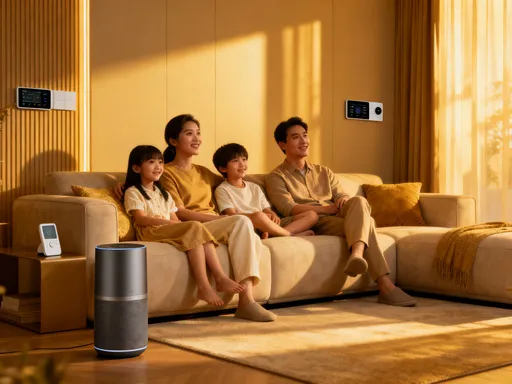
Let’s bring this to life with everyday scenes—moments you know well. Picture Friday night. The week has been long. You’ve cooked, cleaned, shuttled kids, answered emails. All you want is to relax with your family. In the old days, this might have meant 20 minutes of setup: finding remotes, adjusting settings, arguing over what to watch. But now, you say, “Hey Google, Family Night.” Instantly, the TV powers on to your streaming profile. The lights dim to a cozy level. The soundbar switches to theater mode. A playlist of favorite family movies appears on screen. The air feels just right. And you? You’re already smiling, because you didn’t have to do a thing.
Or consider Sunday mornings. No rush, no alarms. Just slow coffee and quiet conversation. With a smart setup, your coffee maker starts brewing at 8:15 a.m., timed with the gradual brightening of the kitchen and living room lights. At the same time, a soft jazz playlist begins—just loud enough to fill the space, not overwhelm it. The thermostat ensures the house isn’t too chilly. You walk in, wrap your hands around a warm mug, and feel the day begin gently. No jarring noises. No harsh lights. Just a home that knows how you like to wake up.
And what about the kids? Imagine a playtime zone in the living room that activates when the youngest says, “Let’s play!” The lights shift to a bright, cheerful white. Upbeat music starts—curated to be fun but not overstimulating. The TV displays a kid-friendly app. The doorbell camera sends a notification if someone arrives, so you don’t miss a thing. Later, when it’s time to clean up, a gentle chime sounds, and the lights pulse softly as a signal. No yelling. No reminders. Just a home that supports your family’s natural flow.
Making It Work for Your Home
You might be thinking, “This sounds great, but where do I even start?” The good news is, you don’t need to overhaul your entire house. In fact, it’s better to start small. Pick one room—probably the living room—and one routine—like movie night or morning coffee. That’s your entry point. The goal isn’t perfection. It’s progress. Begin by choosing a central hub or voice assistant you’re comfortable with. Most people find Alexa, Google Assistant, or Apple Home to be user-friendly and widely compatible. Once you’ve picked your platform, connect one or two devices—maybe a smart plug for your lamp and a smart speaker for music.
Next, create a simple scene. Call it “Relax” or “Evening Mode.” Program it to turn on your lamp, play soft music, and maybe lower the volume on the TV. Test it. Tweak it. Make it yours. The beauty of these systems is their flexibility. You can change the lighting level, adjust the music genre, or add a new device anytime. Over time, you’ll find what works for your family. Maybe you discover that blue-toned lights keep the kids alert too late, so you switch to warm white. Or maybe you realize you love the sound of rain during reading time, so you add a nature sounds playlist to your routine.
Personalization is key. This isn’t about copying someone else’s smart home. It’s about designing a space that fits your life. If you love reading, create a “Reading Nook” scene with focused lighting and quiet background music. If you meditate, set up a “Calm” mode with dim lights, soft chimes, and a diffuser. The more you align the technology with your real habits, the more natural it feels. And the best part? You can do this at your own pace. Add a device every few months. Learn as you go. There’s no deadline, no exam, no pressure.
Overcoming the Hurdles Together
Of course, starting something new can feel intimidating. You might worry about cost. Yes, some smart devices have a price tag, but many are surprisingly affordable—especially if you start small. A $20 smart plug or a $30 bulb can make a real difference. And since these devices can help you save energy—like turning off lights automatically—they often pay for themselves over time. Think of it not as an expense, but as an investment in peace, time, and well-being.
Complexity is another common concern. “I’m not tech-savvy,” many women say. But here’s the truth: today’s smart home systems are designed for real people, not engineers. The apps are intuitive. Setup usually takes minutes. And if you get stuck, there are videos, forums, and customer support to help. You don’t need to understand how Wi-Fi protocols work. You just need to know how to tap a screen or say a phrase. Plus, you’re not alone. Talk to friends, join online groups, or ask your kids for help—they’ll probably love teaching you.
Privacy is a valid question, too. You want to know your home is secure. The good news is that major platforms take security seriously. They use encryption, regular updates, and privacy controls. You can review what data is collected, disable microphones, and set up guest modes so visitors don’t access your routines. You’re in control. And if a device ever feels intrusive, you can always unplug it. Technology should serve you, not watch you.
The Bigger Picture: A Home That Knows You
At its heart, a smart leisure space isn’t about gadgets. It’s about quality of life. It’s about reclaiming time, reducing stress, and creating moments of connection. It’s about walking into a room and feeling instantly at ease, because the space responds to you—not the other way around. For women who carry so much of the emotional and practical load at home, this can be transformative. It’s not about doing more. It’s about doing less—less managing, less reminding, less fixing—and being more present.
Imagine a home that supports your rhythms instead of disrupting them. A space that helps you transition from busy to calm, from scattered to centered. A place where your family can gather without friction, where relaxation isn’t something you have to fight for. That’s the promise of a coordinated smart leisure space. It’s not a luxury for the future. It’s a practical tool for today—one that helps you live with more intention, more joy, and more peace.
And as you build this space, you’re not just upgrading your home. You’re upgrading your life. You’re teaching your family that comfort matters. That harmony is possible. That small changes can lead to big shifts. This isn’t about chasing the latest trend. It’s about creating a home that truly feels like a haven—a place that knows you, welcomes you, and helps you breathe a little deeper, every single day.