Tired of restless nights before big drives? This app changed my sleep—and my safety
We’ve all been there: an early morning trip, a packed car, and a mind racing with last-minute worries. But what if poor sleep before driving wasn’t just stressful—but dangerous? I used to dismiss my fatigue, until a simple app helped me connect the dots between rest and road safety. What started as a personal experiment became a life-changing habit, blending driving behavior insights with real sleep improvement. Let me share how technology quietly transformed my nights and my confidence behind the wheel.
The Moment I Realized My Sleep Was a Road Risk
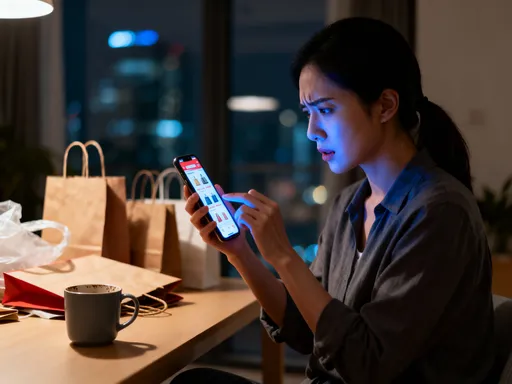
It was 6:15 a.m., pitch dark outside, and I was already behind the wheel, coffee in hand, rushing to catch the highway before traffic built up. My son had a soccer tournament two hours away, and I’d stayed up late packing snacks, checking gear, and answering last-minute texts from other parents. I thought I was prepared—until I nearly missed a stop sign at a quiet intersection. A car honked sharply from the left, and my heart leapt into my throat. I hadn’t even seen them coming.
That moment wasn’t just scary—it was a wake-up call. I pulled over, hands shaky, and asked myself: How could I have missed something so obvious? I wasn’t distracted by my phone. I wasn’t speeding. But I was exhausted. I’d slept only four hours, and suddenly, it hit me: I wasn’t just tired. I was a danger on the road.
That afternoon, after the game and the long drive back, I did something I’d never done before—I looked up how sleep affects driving. What I found stunned me. Studies from trusted sources like the National Highway Traffic Safety Administration show that being awake for 18 hours has the same impact on your reaction time as having a blood alcohol level of 0.05%. After 24 hours? That jumps to 0.10%—above the legal limit in most places. I wasn’t drunk, but my brain was impaired in the same way.
From that day on, I stopped thinking of sleep as just a luxury or something I’d get to “when things calm down.” I started seeing it as a safety tool—just like wearing a seatbelt or checking my mirrors. Especially as a mom who drives her kids around, who carpools, who runs errands, who travels for weekend getaways—my alertness isn’t just about me. It’s about everyone in the car, everyone on the road. That near-miss wasn’t just bad luck. It was a symptom of a much bigger, quieter problem: we’re all running on empty, and we don’t even realize it.
Discovering the App That Linked Sleep and Driving
Still shaken by that morning, I started searching for ways to protect myself and my family. I’d used sleep trackers before—apps that told me how many hours I slept or how many times I rolled over. But they never felt useful. They gave me data, not direction. Then I stumbled on an app that was different. It wasn’t just about sleep—it was about how sleep affects real-life performance, especially driving.
The app, which I now use every single night, combines sleep tracking with simple driving insights. When I wake up, it doesn’t just say, “You slept 5 hours.” It says, “Your sleep quality was low. Your reaction time today may be slower than usual.” It even compares my driving patterns—like sudden braking or lane drifting—to my sleep history. One morning, after a restless night, I got a notification: “Your focus level is at 68%. Consider delaying non-essential trips.” I laughed at first—like, who has the luxury to delay a school drop-off?—but then I realized: maybe I should.
What made this app different was that it didn’t shame me. It didn’t say, “You failed.” It said, “You’re human. Let’s work with that.” It started sending gentle bedtime reminders—“Lights out in 30 minutes?”—and morning check-ins: “How do you feel? Alert, tired, or somewhere in between?” Over time, I began to see patterns. On nights I slept seven hours or more, my braking was smoother, my lane changes more precise, and I felt calmer in traffic. On nights I scrolled late or drank too much tea, the app flagged it—and so did my driving.
It wasn’t magic. It was feedback. And for the first time, I had a clear picture of how my choices at bedtime affected my performance behind the wheel. That connection—between what I did at home and what happened on the road—changed everything.
How the App Works—Without Overwhelming Me
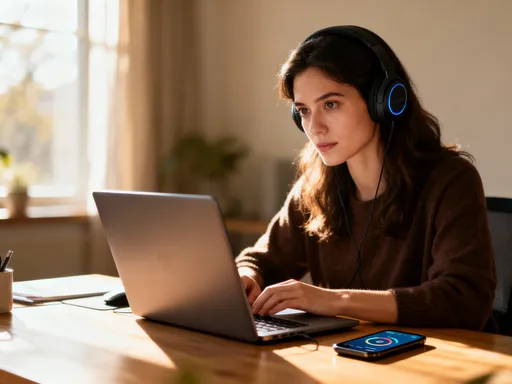
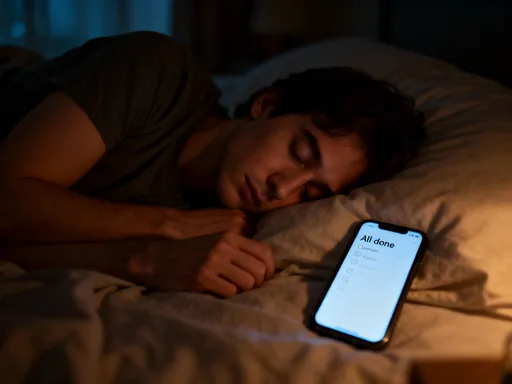
When I first downloaded the app, I was worried it would be complicated. I imagined wires, sensors, a special pillow, maybe even a helmet. But it was surprisingly simple. I didn’t need any extra gadgets. I just placed my phone on the nightstand, and it used motion detection and sound analysis to track my sleep cycles—when I fell asleep, how often I woke up, and how much deep sleep I got.
The real innovation came when I connected it to my car’s driving data—something many modern vehicles offer through built-in systems or Bluetooth integration. With my permission, the app pulled anonymized driving behaviors: acceleration patterns, braking frequency, steering stability, and even how often I corrected my lane position. Then, in the morning, it combined both sets of information into one easy-to-read report.
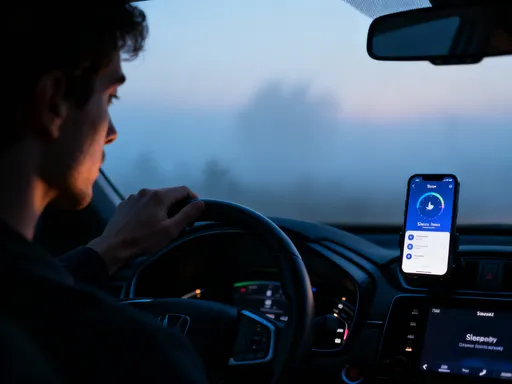
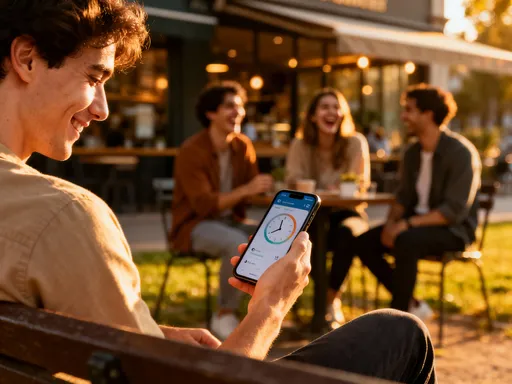
My “Readiness to Drive” score became something I actually looked forward to. A green light meant I was in good shape. Yellow? A gentle warning to take it slow. Red? A suggestion to delay driving if possible or take extra breaks. The app never locked me out or scolded me. It just gave me information—like a co-pilot who cares more about my safety than my schedule.
One feature I love is the “Pre-Drive Check-In.” Before I start the engine, the app asks: “How are you feeling? Tired? Distracted? Rushed?” I tap my answer, and it adjusts its feedback. If I say I’m tired, it might suggest a 10-minute walk first, or a quick stretch, or even just five deep breaths. It treats me like a whole person, not just a data point. And because it learns over time, it gets smarter. It knows that on school mornings, I’m more likely to skip breakfast. It knows that after 9 p.m., I tend to overthink. It’s not just tracking me—it’s understanding me.
Small Changes, Big Shifts in Daily Routines
With the app’s insights, I started making tiny changes to my evenings. Nothing drastic. I didn’t overhaul my life. I just shifted a few habits. I began turning off bright lights an hour before bed. I stopped watching shows in bed. I put my phone on “Do Not Disturb” at 9:30 p.m., even if I wasn’t ready to sleep yet. And I set a bedtime reminder—not to force me into bed, but to signal that it was time to wind down.
Within a week, my family noticed a difference. My daughter said, “Mom, you seem calmer in the car now.” My husband said, “You’re not snapping as much when dinner’s late.” Even my teenage son, who used to roll his eyes at anything “wellness-related,” asked me about the app. He was getting his license, and the idea of knowing whether he was truly alert before driving appealed to him. I showed him how to use it, and now he checks his sleep score before weekend drives with his friends.
What started as a personal fix became a family habit. We talk about sleep now—not as a chore, but as a shared value. We compare notes: “I got 7.5 hours last night—felt great this morning.” Or, “I know I’m groggy; I’ll let you drive to the mall.” It’s created a new kind of connection, one built on care and responsibility. We’re not just protecting ourselves—we’re looking out for each other.
And the best part? These changes didn’t take more time. They just took awareness. The app didn’t add to my to-do list. It helped me prioritize what was already there. Instead of powering through exhaustion, I started honoring my body’s needs. And in doing so, I became a better driver, a better mom, and a better version of myself.
The Ripple Effect on My Focus and Mood
I expected the app to improve my driving. I didn’t expect it to change my entire day. But that’s exactly what happened. With better sleep, I found I was more focused at work. I stopped forgetting appointments. I listened better in meetings. I even had more patience with my kids after school, when the house is loud and everyone’s hungry.
My mood shifted, too. I wasn’t as quick to frustration. I laughed more. I felt more present. And I realized something important: rest isn’t laziness. It’s the foundation of everything else. When I’m well-rested, I’m not just safer on the road—I’m more capable in every part of my life.
The app helped me see this clearly. It showed me that on high-sleep nights, my “energy forecast” was higher, and so was my emotional resilience. On low-sleep nights, I was more reactive, more forgetful, more drained. It wasn’t just about willpower. It was about biology. My brain needed fuel, and sleep was that fuel.
I used to wear my busyness like a badge of honor. “I’m so tired” was a way of saying, “I’m doing a lot.” But now I see that true strength isn’t pushing through exhaustion—it’s knowing when to rest. The app didn’t give me superpowers. It gave me clarity. And with that clarity, I started making better choices—not just about sleep, but about how I spend my time, my energy, and my attention.
Why This Matters Beyond Just One Driver
As I got used to using the app, I started wondering: How many other people are driving while tired? Not just parents, but delivery drivers, nurses coming off night shifts, commuters stuck in traffic, travelers on road trips. Fatigue doesn’t care about your job, your age, or your experience. It affects us all.
And the numbers are sobering. According to the AAA Foundation for Traffic Safety, drowsy driving is a factor in about 16% of fatal crashes in the U.S. That’s one in six. And many more near-misses go unreported. These aren’t reckless drivers. They’re ordinary people—like me—who didn’t realize how impaired they were.
What if we treated sleep the same way we treat other driving prep? We check our oil. We fill our gas tank. We make sure our tires have air. But we don’t check our alertness. What if, before every long trip, we asked: “Am I truly ready to drive?” Not just, “Is the car ready?” but “Am I ready?”
Technology like this app can help us normalize that question. It’s not about perfection. It’s about awareness. It’s about creating a culture where it’s okay to say, “I’m too tired to drive,” without shame. Where parents teach their teens to check their sleep score along with their mirrors. Where employers encourage rest for delivery drivers. Where we stop glorifying burnout and start valuing recovery.
This isn’t just about one app. It’s about a shift in mindset. Sleep isn’t the enemy of productivity. It’s the foundation of safety, health, and connection. And when we protect our rest, we protect everyone around us.
How You Can Start Tonight—Simple and Stress-Free
If you’re reading this and thinking, “I could use more rest,” you’re not alone. And you don’t need a high-tech car or a fancy wearable to begin. All you need is your phone and a willingness to try something small.
Start tonight. Download a sleep app that offers gentle insights—not just numbers, but meaning. Set one bedtime reminder. Place your phone on your nightstand. See what it tells you in the morning. Don’t aim for perfection. Just notice. Did you fall asleep faster? Did you wake up less? Did you feel more alert behind the wheel?
After a week, take a moment to reflect. Was driving easier? Were you less tense in traffic? Did you feel more in control? You might be surprised by what you discover. And if you have a teen learning to drive, show them how to use it. Make it part of your family routine—like buckling up or checking the weather before a trip.
Remember, this isn’t about adding pressure. It’s about adding support. Let technology help you listen to your body. Let it remind you that your well-being matters—not just for you, but for everyone who rides with you, everyone you love, everyone you share the road with.
Better sleep isn’t a luxury. It’s a responsibility. And with the right tools, it’s within reach. So tonight, before you close your eyes, ask yourself: “Am I doing everything I can to stay safe on the road?” The answer might start with a single, quiet night of rest.