I Cut My Grocery Trips by Half Using This Produce Delivery Trick—Here’s How It Works
Remember that Sunday afternoon rush at the supermarket? You’re dodging carts, staring blankly at wilted spinach, and realizing you forgot half your list. I used to dread it too—until I found a simple way fresh produce delivery made my life calmer, healthier, and way more efficient. It wasn’t about spending more or relying on luxury services. It was about using the right platform differently. Now, my fridge stays full, meals feel effortless, and I actually enjoy eating fresh again. No more soggy lettuce by Wednesday or last-minute panic because I ran out of onions. This isn’t magic—it’s just smart, thoughtful tech working quietly in the background of my daily life.
The Grocery Store Burnout: When Shopping Stops Being Practical
Let’s be honest—going to the grocery store doesn’t always feel like a productive use of our time. For years, I treated it like a necessary chore, something I had to power through between school drop-offs, work calls, and family dinners. But slowly, it started to take a toll. I’d walk into the store after a long day, already tired, only to face long lines, confusing layouts, and produce that looked better in the ads than in real life. Have you ever bought a bag of salad mix on Sunday, only to toss it out by Tuesday? I have—more times than I’d like to admit. And it wasn’t just the food waste. It was the mental load: remembering what we needed, comparing prices, trying to avoid the sugary snacks the kids begged for, all while keeping one eye on the clock.
What I didn’t realize at the time was how much this weekly grind was affecting my energy and mood. It wasn’t just about being busy—it was about feeling like I was constantly behind. I’d come home from the store with half the list still missing, or worse, with things I didn’t really need but grabbed because they were on sale or easy to reach. The worst part? The guilt. Guilt over spending too much, guilt over wasting food, guilt over serving meals that felt repetitive or uninspired. I wanted to eat better, cook more, and make healthier choices—but the system was working against me. The grocery store, meant to help me feed my family, was actually making it harder.
And I know I’m not alone. So many women I talk to—moms, caregivers, working professionals—feel the same way. We’re not lazy. We’re not disorganized. We’re just overwhelmed. The truth is, traditional grocery shopping wasn’t designed for real life. It assumes you have time, energy, and focus to spare. But most of us don’t. We need something that fits our rhythm, not the other way around. That’s when I started wondering: is there a better way to get fresh food without the stress?
Discovering a Better Way: How Fresh Produce Delivery Entered My Life
The shift didn’t happen because I read an article or saw an ad. It happened because I was out of options. One rainy Thursday, I opened the fridge and realized we were down to a sad-looking bell pepper, half a lemon, and a container of yogurt that was about to expire. Dinner needed to happen—fast. My husband was working late, the kids were hungry, and I had zero motivation to drive to the store in the pouring rain. That’s when I remembered a local produce delivery service a friend had mentioned months ago. I’d dismissed it at the time, thinking it was too expensive or too complicated. But that night, I was desperate enough to try.
I pulled up the website on my phone, and to my surprise, it was simple. No confusing menus, no hidden fees. I could see exactly where the produce came from—local farms within 100 miles—and the photos looked real, not airbrushed. I selected a medium-sized box with a mix of fruits and vegetables, added a few staples like eggs and whole grain bread, and scheduled delivery for the next morning. Total cost? Less than what I’d usually spend on a single supermarket trip. The whole process took ten minutes. I hit confirm, poured myself a cup of tea, and for the first time in weeks, I didn’t feel like I was failing at dinner.
The next morning, a refrigerated box arrived at my door. Inside, everything was fresh, crisp, and carefully packed. The spinach wasn’t slimy. The strawberries weren’t mushy. The carrots still had their greens attached. It felt like someone had gone to the farmers market for me. I made a salad that night—something I hadn’t done in weeks because prepping greens always felt like too much work. The kids actually ate it. That one meal didn’t change my life, but the feeling it gave me did. I felt capable again. I felt like I had a little more control. And I realized something important: this wasn’t about replacing grocery stores. It was about giving myself a break.
From Overwhelmed to Organized: How Delivery Streamlined My Weekly Rhythm
After that first delivery, I decided to give it another try—this time with a plan. Instead of waiting until we were out of food, I scheduled deliveries every ten days, right before I usually started meal planning. I mapped it to my routine: delivery day on Friday, meal prep on Saturday, shopping completely off my plate for the week. Almost immediately, I noticed changes. I wasn’t making as many last-minute store runs. I wasn’t buying things I didn’t need just because they were on sale. And—this was huge—I wasn’t throwing away nearly as much produce.
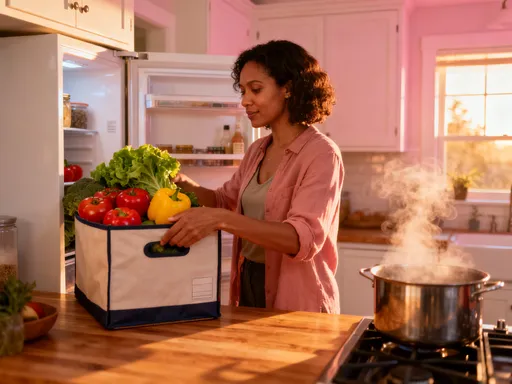
Having fresh ingredients show up regularly made it easier to cook at home. I started tossing chopped veggies into scrambled eggs. I added sliced cucumbers and tomatoes to sandwiches without thinking. I made stir-fries with whatever was in the box, and the kids even asked for seconds. It wasn’t gourmet cooking—it was simple, real food, made possible because the ingredients were already there. I wasn’t spending mental energy deciding what to buy or worrying about spoilage. The food arrived, I used it, and I felt good about it.
But the biggest shift was in my mindset. Instead of dreading mealtime, I started looking forward to it. I wasn’t trying to be a perfect cook. I wasn’t aiming for Instagram-worthy plates. I just wanted to feed my family well without burning out. And this small change—reliable produce delivery—made that possible. It wasn’t about doing more. It was about doing less and getting better results. I had more time, less stress, and more confidence in the kitchen. That’s when I realized: this wasn’t just a convenience. It was a tool for self-care.
Choosing the Right Platform: What Actually Matters (Spoiler: It’s Not Speed)
When I first looked into produce delivery, I assumed speed and price were the most important factors. I was wrong. What really matters is consistency, quality, and flexibility. I tried a few different services in the beginning, and the ones that didn’t work were the ones that felt rigid—fixed delivery days, no option to skip weeks, produce that looked fine in photos but arrived bruised or underripe. The one I stuck with? It lets me choose my delivery day, pause my subscription anytime, and see real-time updates on what’s in season. It also has a simple interface—no confusing menus or endless scrolling.
Here’s what I’ve learned: the best platforms are designed with real life in mind. They understand that plans change. That sometimes you’re traveling. That you might not want a full box every week. The one I use allows me to adjust the size of my order, swap out items I don’t like, and even add notes like “extra herbs” or “no mushrooms.” It’s not about automation—it’s about personalization. And the sourcing? Transparent. I can see which farms the produce comes from, and it’s all within a few hours’ drive. That gives me peace of mind, especially when I’m feeding my family.
Another thing I didn’t expect: customer service that actually responds. Once, a delivery was delayed due to weather, and I got a text update within an hour, along with a credit for the next order. No fighting on hold, no robotic emails. Just a simple, human touch. That kind of care makes a difference. It’s not just about getting food—it’s about feeling respected and supported. When you’re juggling a million things, that small gesture can make your whole day better.
Small Tweaks, Big Results: How I Optimized My Usage for Maximum Benefit
The real “trick” wasn’t finding the perfect service—it was changing how I used it. At first, I treated it like a one-time fix. But over time, I figured out how to make it work seamlessly with my life. The biggest shift? I started aligning my delivery day with my natural rhythm. I get the box on Friday, so I can unpack and prep on Saturday morning while the kids play nearby. I wash and chop what I can, store it in clear containers, and suddenly, healthy meals feel like no effort at all. It’s like setting up my kitchen for success.
I also started using recurring orders for staples—things I always need, like apples, spinach, onions, and sweet potatoes. I don’t have to think about them. They show up when I need them. For seasonal items, I use the filter feature to see what’s fresh and local. Right now, it’s zucchini and blueberries. Last month, it was asparagus and peaches. It keeps our meals interesting and cuts down on impulse buys. I don’t need to scroll through 50 types of lettuce—I just pick what’s best right now.
Another small habit: I take five minutes after each delivery to check what we used and what we didn’t. This helps me adjust the next order. If we didn’t eat the kale, I swap it for Swiss chard next time. If the kids loved the snap peas, I add more. It’s not about perfection—it’s about learning and adjusting. And the more I do it, the better it gets. It’s like training a smart assistant who learns your preferences over time. The system works for me, not the other way around.
More Than Convenience: The Unexpected Emotional Perks
I thought this would just save me time. I didn’t expect it to change how I feel. But over the past year, I’ve noticed something deeper. I feel calmer. More in control. Less guilty about what we’re eating. I’m not scrambling at 5 p.m. wondering what’s for dinner. I’m not mad at myself for forgetting garlic or buying too much. I’m not stressed about food waste. Those small wins add up. They reduce decision fatigue—the mental exhaustion that comes from making too many small choices all day long.
And there’s a quiet confidence that comes with it. When I serve a colorful plate of roasted vegetables, I don’t feel like I pulled off a miracle. I feel like it was normal. Because it is. The ingredients were there. I didn’t have to go searching. I didn’t have to fight crowds. I just used what I had. That sense of ease—of things flowing smoothly—has spilled over into other parts of my life. I’m more patient with the kids. I have more energy for hobbies. I even started taking walks again, because I’m not spending Saturday mornings at the store.
This isn’t about technology replacing effort. It’s about technology supporting it. It’s like having a quiet helper who knows when to step in—someone who makes sure the basics are covered so I can focus on what really matters. In a world that constantly asks us to do more, this feels like a small act of resistance. I’m not doing more. I’m doing better—with less strain. And that, to me, is what real progress looks like.
Making It Work for You: A Simple Guide to Getting Started
If you’re curious, I’d say this: start small. You don’t have to commit to a weekly subscription or a huge box. Look for a local produce delivery service in your area—many cities have them, and some even offer free trial boxes. Check their sourcing, delivery options, and flexibility. Can you skip weeks? Adjust the size? See where the food comes from? These details matter.
When you place your first order, think about what you actually use. Don’t try to eat kale every day if you don’t like it. Build a box that fits your real life. And when it arrives, take a moment to appreciate it. Unpack it slowly. Notice the colors, the textures, the smells. Let yourself feel good about making this choice—for your time, your health, your peace of mind.
Give it a few rounds. See how it fits with your routine. Adjust as needed. Maybe it works best every ten days. Maybe you only want it during busy seasons. That’s okay. The goal isn’t perfection. It’s progress. It’s finding a rhythm that helps you feel more supported, not more stressed. And if it doesn’t work for you? No problem. At least you tried. But I’ll tell you this: for me, it was the small change that made the biggest difference.
Conclusion: Tech That Serves Life, Not the Other Way Around
Looking back, I realize this wasn’t just about groceries. It was about reclaiming time, reducing stress, and making space for what matters. The right technology—used thoughtfully—can do that. It doesn’t have to be flashy or complicated. It just has to work quietly, reliably, and with care. This produce delivery system didn’t change my life overnight. But over time, it changed how I move through my days. I’m calmer. I eat better. I feel more in control. And I’ve rediscovered the simple joy of cooking for my family—without the burnout.
In a world full of digital noise, this is tech that serves life, not the other way around. It’s not about replacing human effort. It’s about supporting it—like a good helper who knows when to step in and when to step back. It’s about making the everyday a little easier, a little brighter, a little more nourishing. And for that, I’m truly grateful.