From Frantic to Focused: How Food Delivery Apps Brought Peace to Our Family Dinners
Family dinner used to mean stress—cooking fatigue, picky eaters, and endless “what’s for dinner?” questions. We were spending more time arguing than eating. The kitchen would get loud, tempers flared, and I’d end up feeling like I’d failed before the plates even hit the table. Sound familiar? For years, I thought this was just how it had to be. Then we tried something small: using food delivery apps not just for convenience, but as a shared family tool. We started tracking meals together, planning choices, and celebrating little wins—like trying a new cuisine or skipping fast food for a few nights. And slowly, something changed. It wasn’t just about food anymore. It became a way to reconnect, reduce stress, and actually enjoy each other again. That shift—from chaos to calm—started with one simple tap on a screen.
The Dinner Dilemma: When Mealtime Feels Like a Battlefield
Let’s be honest—dinner time can feel like the final boss of the day. By the time 5 p.m. rolls around, most of us are already running on fumes. You’ve packed lunches, helped with homework, answered work emails, and maybe even squeezed in a workout or a grocery run. And then comes the question that echoes through homes everywhere: “What’s for dinner?” It sounds simple, but for many families, it’s the spark that lights a fire of stress.
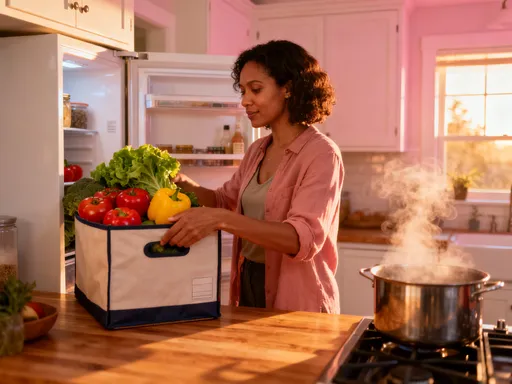
I remember standing in my kitchen one night, staring into the fridge like it owed me answers. My oldest wanted pasta, my youngest refused anything green, and my partner was stuck at work late—again. I had two options: spend an hour cooking something no one would fully appreciate, or give in and order takeout… for the third time that week. Neither felt good. I wasn’t just tired—I was emotionally drained. And I wasn’t alone. So many moms I talk to describe the same cycle: guilt over not cooking, frustration over picky eaters, and exhaustion from carrying the mental load of meal planning all by themselves.
This isn’t just about hunger. It’s about the invisible labor that falls on one person—usually the mom—to keep everyone fed, happy, and nourished. And when that pressure builds, dinner stops being a time to connect. It becomes a battleground. We’re not just serving food—we’re managing expectations, allergies, schedules, and moods. No wonder so many of us dread it. But what if we could lighten that load? What if the solution wasn’t another recipe book or meal prep hack, but something we already have in our pockets?
A Small Change with Big Impact: Discovering Shared Meal Tracking
The turning point for us came on a rainy Thursday. I was scrolling through a food delivery app, about to order the same old pizza, when I noticed something: the “Order History” tab. I clicked it out of curiosity and saw our entire week laid out—two takeouts, one frozen meal, and one sad attempt at stir-fry that got abandoned halfway through. Seeing it all in one place hit me like a gut punch. This wasn’t just dinner—it was a pattern. And it wasn’t serving us.
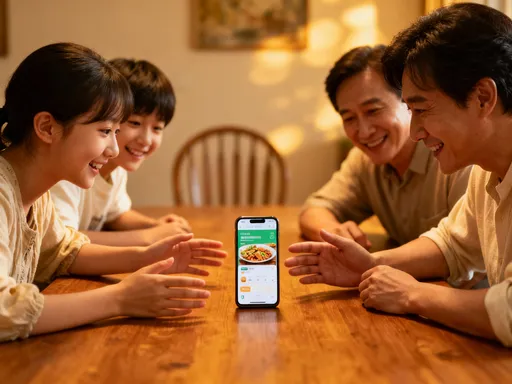
That’s when I had a thought: what if we used this app not just to order food, but to *plan* it—together? I opened the app on the big screen in our living room and called the kids over. “Let’s look at what we’ve eaten this week,” I said. At first, they groaned. But then they started pointing, laughing at the “pizza again” entry, and arguing over which sushi roll was their favorite. It felt different. Lighter. For the first time, meal planning wasn’t my job—it was *our* job.
We started small. I showed them how to save favorite restaurants, make a shared wishlist of dishes we wanted to try, and even set little goals—like “one veggie-packed meal this week.” I created a family account (many apps allow this now) so we could all see what we’d ordered, what we liked, and what we wanted to change. Suddenly, the app wasn’t just a tool for delivery—it became a shared space for decision-making. No more surprise orders or last-minute panic. We were in it together. And the best part? I wasn’t the only one thinking about dinner anymore.
How Progress Tracking Transformed Our Choices
Here’s something I didn’t expect: seeing our food choices laid out made us more mindful. When you can scroll through a week of meals and see that four out of seven dinners were fried chicken or burgers, it hits differently. It’s not about shame—it’s about awareness. And awareness is the first step to change.
We started using the app’s tracking features to review our week every Sunday night. We’d gather around the tablet, like it was a family report card, and talk about what worked and what didn’t. “We ate a lot of carbs,” my daughter observed once. “And not enough color,” my son added, pointing to a photo of a plain-looking sandwich. They were noticing things I hadn’t even realized they were paying attention to. That simple act of reflection—of *seeing* our habits—gave us power. We weren’t just reacting to hunger anymore. We were making choices with intention.
The app helped us balance things out. If we’d ordered heavy meals all week, we’d pick something lighter for Friday—maybe a grain bowl or a fresh salad from a local eatery. If we noticed we hadn’t tried anything new in a while, we’d challenge ourselves to pick a cuisine we’d never had before. And when we did stick to a goal—like eating three home-cooked meals in a row—we’d celebrate. Not with a big party, but with a high-five or a “We did it!” text in our family group chat. Progress, even small progress, felt visible. And that made it real.
Involving the Kids: Turning Picky Eating into Playful Exploration
One of my biggest worries was how my kids would respond. My daughter used to eat the same three things for months. My son would take one bite of anything new and declare it “disgusting.” But when I gave them control—when I let them pick a restaurant or choose a dish from the app—they leaned in. Suddenly, eating wasn’t something being done *to* them. It was something they were part of.
We turned it into a game. Every week, each of us got to pick one “adventure meal”—something new or slightly outside our comfort zone. The rule was simple: you had to take at least three bites. If you still didn’t like it, that was okay. No pressure. But you had to try. The app made it fun. We’d browse menus like we were on a food tour, reading descriptions, looking at photos, and voting on what looked exciting. “Ooh, what’s pad thai?” my daughter asked once. “Let’s find out!” her brother replied.
And you know what? They started trying things. Not every time, but more often than before. We discovered my son loves dumplings, my daughter adores Mediterranean food, and we all agree that a good taco bowl beats plain chicken fingers any day. More than that, they learned about flavors, cultures, and the joy of discovery. The app didn’t just expand their palates—it gave them confidence. They weren’t just eaters. They were explorers. And that shift—from resistance to curiosity—was priceless.
Calm in the Chaos: Less Stress, More Togetherness
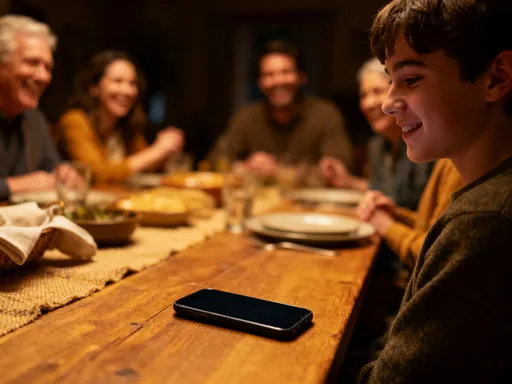
The biggest change wasn’t what we were eating. It was how we were *feeling*. When dinner stopped being a source of stress, something beautiful happened: we started enjoying it again. We weren’t rushing, arguing, or zoning out on our phones. We were present. Laughing. Talking. Actually listening.
I noticed it first on a Wednesday night. We’d ordered from a little Thai place we’d never tried. The food was late, the rain was pouring, and I braced myself for complaints. But instead, my kids were telling stories from school, my partner was sharing a funny work moment, and I just sat there, sipping my tea, feeling… peaceful. No one was hungry, no one was mad, and for the first time in a long time, I wasn’t mentally planning tomorrow’s meals while eating today’s. I was just *there*.
That’s the hidden gift of using tech with purpose. It didn’t just save me time—it saved my energy. The mental load of dinner—the constant decision-making, the guilt, the worry—had been lifted. And that space? It got filled with connection. With joy. With the simple pleasure of being a family. We weren’t perfect. Some nights were still messy. But the tone had changed. Dinner wasn’t a chore. It was a chance to breathe, to reconnect, to be together without agenda.
Building Better Habits, One Meal at a Time
Over time, something deeper started to happen. We weren’t just eating better—we were *living* better. The app’s tracking became a quiet motivator. When we saw that we’d ordered takeout five nights in a row, it didn’t make us feel guilty. It made us curious. “What could we do differently next week?” we’d ask. And then we’d plan—maybe prep a slow cooker meal, or assign one night for homemade tacos.
We started setting small, achievable goals. “Let’s cook two meals at home this week.” “Let’s try a new vegetable.” “Let’s eat dinner together every night, even if it’s just for 15 minutes.” And when we hit those goals, we noticed. We’d send a little emoji in the family chat, or do a silly victory dance at the table. These weren’t grand achievements—they were tiny wins. But they mattered. Because each one built confidence. Each one said, “We can do this.”
The app helped us stay consistent. We could look back and see progress—not just in what we ate, but in how we worked together. We were learning to communicate, to compromise, to celebrate effort over perfection. And that spilled over into other parts of life. Homework got easier. Mornings were calmer. We were more patient with each other. Turns out, when you fix one small thing—like dinner—you often fix a lot more.
More Than Just Dinner: A New Way to Connect in a Busy World
Looking back, I realize that food delivery apps didn’t solve all our problems. But they gave us a starting point. They gave us a way to share the load, to make decisions together, and to turn a daily struggle into a moment of joy. What started as a convenience became a practice—a small, everyday act of care for ourselves and each other.
In a world that never slows down, where we’re pulled in ten directions at once, these moments matter. They’re how we stay connected. How we remember who we are, not just what we do. Technology often gets blamed for pulling us apart—stealing our attention, distracting us from real connection. But when we use it with intention, it can do the opposite. It can bring us closer. It can help us breathe. It can turn a stressful question—“What’s for dinner?”—into an opportunity to say, “Let’s figure it out together.”
So if you’re in the thick of it—if dinner feels like a battle, if you’re tired of carrying it all, if you miss the simple joy of sitting down with your people—try this: open the app, call your family over, and take a look. Not to order, not yet. Just to see. To talk. To plan. You might be surprised at how much changes when you stop doing it alone. Because peace doesn’t always come from big gestures. Sometimes, it comes from a shared screen, a little curiosity, and the courage to try something new—on the plate and in the heart.