From Overwhelmed to Effortless: How Reading Groups Transformed My Daily Learning
Have you ever stared at a stack of unread articles and felt defeated? I used to miss key insights from my reading—until I joined a small, tech-powered book group. What changed wasn’t just my habits, but how I absorbed ideas. With the right app, shared curiosity turned chaos into clarity. This isn’t about reading more. It’s about gaining more from what you already read. And it’s simpler than you think.
The Daily Struggle: When “Wanting to Learn” Isn’t Enough
Let’s be honest—how many times have you opened a promising article during breakfast, only to get distracted by a text, a chore, or the sudden urge to check the weather? I’ve been there, more times than I can count. My phone is full of half-read tabs, my Kindle library looks like a museum of good intentions, and my nightstand holds books that have been waiting for me for months. I wanted to learn, truly. I wanted to grow, stay sharp, and feel inspired. But wanting wasn’t enough. The reality was that reading had become just another item on my to-do list, one that I kept failing.
And it wasn’t just about time. It was about focus. By the end of the day, after managing meals, schedules, messages, and the quiet emotional labor of keeping a household running, the last thing my brain wanted to do was tackle a dense article on personal finance or a chapter about mindful parenting. I’d open the book, read a paragraph, zone out, and close it again. The guilt would follow. Why couldn’t I stick with it? Why did something that felt so important also feel so hard?
That’s when I realized something: the problem wasn’t me. It wasn’t laziness or lack of discipline. The real issue was isolation. Reading had become a silent, solitary act—something I did alone, in silence, with no one to talk to about it. And without connection, it was easy to lose motivation. I needed a shift, not in how much I read, but in how I experienced it. I needed to stop treating learning like a chore and start seeing it as part of my life, not an extra burden on top of it.
A Shift in Mindset: Learning as a Shared Experience
The turning point came during a weekend call with my sister. We were catching up, as we do every Sunday, and somehow the conversation drifted to a book she’d just finished—something about habits and small changes. I hadn’t read it, but I’d seen it mentioned online. She started talking about a section on morning routines, and suddenly, I was hooked. Not just by the idea, but by the way she described it—her voice lit up, she laughed at a line she’d underlined, and she asked me, “Don’t you do something like that already?”
In that moment, something clicked. This wasn’t just information—it was connection. We spent twenty minutes talking about how we both start our days, what works, what doesn’t, and how a simple idea from a book could feel so personal. I didn’t feel behind. I didn’t feel guilty. I felt curious. And for the first time in a long time, I actually wanted to read that book.
That’s when I started to see reading differently. What if learning didn’t have to be a solo journey? What if it could be more like a conversation—a shared experience where ideas grow through discussion, not just silent absorption? I began to wonder: could I build a small circle, just a few people, where we read together, not just side by side? Where we could share highlights, ask questions, and feel supported, not judged?
I wasn’t looking for a lecture or a formal class. I wanted something warm, simple, and real. Something that fit into life, not fought against it. And that’s how I discovered the power of interest-based reading groups—small, tech-supported circles where curiosity is the only requirement. These aren’t massive online forums or competitive book clubs with strict deadlines. They’re intimate, flexible, and built on the idea that learning is richer when it’s shared.
How Reading Apps Became My Learning Sidekick
Now, I’ll admit—I used to think apps were just another distraction. My phone already felt like a never-ending stream of notifications, and the last thing I wanted was another screen demanding my attention. But not all apps are the same. Some are designed to add noise. Others are built to quietly support your life. I found one that did exactly that: a reading app that didn’t just store articles and books, but helped me share them with a small group of trusted readers—my sister, a close friend, and a cousin who’s also passionate about personal growth.
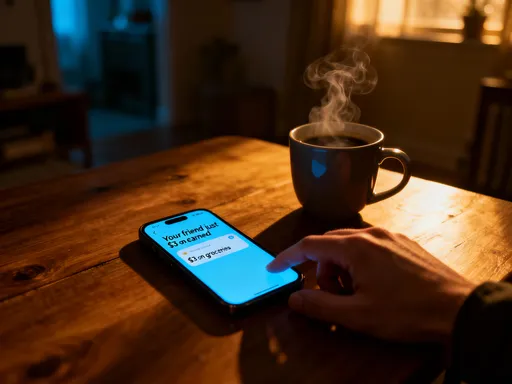
Here’s what changed: instead of saving an article and forgetting it, I could save it to the app and instantly share it with the group. We could all read it on our own time—during commutes, lunch breaks, or late at night—and the app would show us each other’s highlights and notes. No pressure. No deadlines. Just a gentle nudge when someone added a comment like, “This part made me think of you,” or “Can we talk about this paragraph?”
The app synced across my phone, tablet, and laptop, so I never lost my place. If I started reading an article on my tablet in the morning, I could pick up right where I left off on my phone during my walk. It also saved content automatically—no more frantic searches for that perfect quote I swore I’d save. And the best part? It didn’t feel like work. It felt like having a quiet conversation with friends who cared about the same things I did.
One feature I especially love is the shared highlight. When someone underlines a sentence, it shows up in my feed with their comment. Sometimes it’s a simple “Yes!” or “So true.” Other times, it’s a thoughtful question: “Do you think this applies to parenting too?” These tiny interactions made reading feel alive. I wasn’t just absorbing words—I was part of a dialogue. The app didn’t replace human connection. It made it easier.
Finding Your People: The Power of Tiny, Focused Groups
You might be thinking, “That sounds nice, but where do I find these people?” I used to worry about that too. I imagined scrolling through endless online forums, trying to find strangers who cared about the same topics. But the truth is, you don’t need a big group. You don’t even need ten people. In fact, the smaller and more focused, the better.
My group started with just two of us—my sister and me. We decided to read one article a week on personal development. That’s it. No pressure to finish books, no complicated rules. We used the app to share our thoughts, and within a few weeks, we both noticed something: we were actually remembering what we read. We’d bring up ideas in our Sunday calls, apply them to real-life situations, and even laugh about how we’d both highlighted the same sentence.
Then my cousin joined. She wasn’t a big reader, but she liked the idea of learning in small doses. She said, “I don’t have time for books, but I can read one article while my kids nap.” That’s when it hit me—this wasn’t about being a “serious reader.” It was about making space for growth in a way that felt doable. Our group wasn’t about performance. It was about presence.
If you’re thinking of starting your own group, here’s what I’ve learned: begin small. Invite one or two people you trust—someone you already talk to regularly. It could be a sibling, a friend, a neighbor, or even a co-worker who shares your curiosity. Pick a topic that matters to you: parenting, wellness, creativity, finance, or even just “feeling more at peace.” Then choose a simple tool—like a reading app or even a shared note on your phone—and start with one article or chapter a week. The magic isn’t in the volume. It’s in the consistency.
Turning Pages into Progress: How Group Reading Boosts Retention
Have you ever read something fascinating, only to forget it two days later? I have. So many times. But here’s something I’ve noticed: when I discuss what I read—even briefly—I remember it far better. There’s science behind this, and it’s simpler than you might think. When we explain an idea to someone else, our brain has to organize it, simplify it, and connect it to what we already know. That process strengthens memory and deepens understanding.
In our group, we don’t have long discussions. Sometimes it’s just a sentence: “This changed how I see morning routines.” But that one sentence does something powerful. It turns passive reading into active learning. It makes the idea stick. And when someone responds—even with a heart or a “Same here!”—it reinforces the connection between the idea and the emotion behind it.
The app helps by sending gentle reminders. If I haven’t opened an article by Friday, I get a soft notification: “Your group is discussing this tomorrow.” No shame. No pressure. Just a friendly tap on the shoulder. And if I’m too busy, I can listen to an audio summary while folding laundry. The goal isn’t perfection. It’s participation.
I’ve started applying this to other areas of my life too. When I read something useful about time management, I share it with my sister. When I come across a tip about mindful eating, I send it to my cousin. These small exchanges have turned reading into a living practice, not just a passive habit. I’m not just collecting information—I’m using it. And that makes all the difference.
Making It Stick: Building a Routine That Feels Natural
The biggest fear I had was that this would become another thing on my list—something else to fail at. But the beauty of this approach is that it doesn’t require a big time commitment. It’s not about reading for hours. It’s about weaving small moments of learning into the rhythm of your day.
For me, it started with coffee. Every morning, while I sip my tea, I open the app and check what my group has shared. Sometimes I read a full article. Other times, I just scan the highlights. But that five or ten minutes has become sacred—a quiet moment of connection before the day begins. On weekends, we have a short voice note exchange, where we reflect on what stood out. It’s not formal. It’s not polished. It’s real.
If I’m too busy, I don’t stress. The app saves everything, and my group understands life gets hectic. We’ve all been there. The key is showing up when we can, not when we “should.” And over time, I’ve noticed something beautiful: the more I participate, even in small ways, the more I want to. It’s not discipline. It’s desire. The desire to grow, to connect, to feel a little more alive.
If you’re thinking of trying this, start where you are. Use the tools you already have. Maybe it’s a shared note, a messaging group, or a simple app. Invite one person. Pick one topic. Read one article. Let it be small. Let it be easy. Because the goal isn’t to become a different person. It’s to become more of who you already are.
Beyond the Book: How Shared Learning Enriches Life
Looking back, I realize this journey wasn’t just about reading. It was about redefining what learning means in my life. It’s no longer a task I avoid or a goal I feel guilty about. It’s a source of joy, connection, and quiet empowerment. The articles we read have sparked deeper conversations at family dinners. The ideas we’ve discussed have influenced the way I parent, work, and care for myself.
But more than that, this practice has given me something I didn’t know I was missing: a sense of belonging in my own growth. I’m not learning in isolation anymore. I’m part of a small circle where curiosity is celebrated, questions are welcome, and progress is measured in understanding, not speed.
Technology, when used with intention, can be a bridge—not a barrier—to what matters most. It helped me turn scattered reading into meaningful connection. It gave me a way to grow without guilt, to learn without pressure, and to feel supported every step of the way.
So if you’re feeling overwhelmed by everything you “should” read, I want to invite you to try something different. Start small. Find one person who cares about the same things you do. Use one simple tool to share one idea. Let it be easy. Let it be warm. Because learning doesn’t have to be loud or perfect to be powerful. Sometimes, the quietest changes make the biggest difference.