More Than Cash Back: Apps That Actually Make Shopping Feel Smarter
We’ve all been there—staring at receipts, wondering where our money went, or forgetting to clip that coupon we swore we’d use. Shopping drains more than just our wallets; it steals time, energy, and peace of mind. But what if the apps on your phone could quietly work in the background, turning everyday purchases into real savings—without the hassle? This isn’t about chasing discounts. It’s about using smart, simple tools that fit seamlessly into your life and leave you feeling more in control. I used to think cashback was just for tech geeks or extreme couponers, but after a few accidental discoveries and small wins, I realized something: these tools aren’t about changing who I am—they’re about helping me be the smart, organized, caring mom and wife I already try to be, just with a little extra breathing room.
The Hidden Stress of Modern Shopping
Let’s be honest—shopping isn’t just a chore. It’s a full-time mental job. Every trip to the store, every online click, every school supply list or birthday gift idea adds up to a kind of decision fatigue that sneaks up on you. You’re not just buying groceries or laundry detergent—you’re weighing prices, checking sales, remembering which store has the better deal on apples this week, and trying to stick to a budget that never seems to cover everything. I remember one evening, after a long day of shuttling kids and answering work emails, I was folding laundry and found a receipt in the pocket of my coat. It was from the drugstore, and I had paid full price for hand cream—again. The same one I buy every month. I stood there, staring at that little slip of paper, and it hit me: how many times have I done this? How much have I overpaid just because I forgot to check?
That moment wasn’t about one $8 tube of cream. It was about the pattern. The small oversights that, over time, chip away at your confidence and your budget. I started tracking my receipts for a few weeks, just out of curiosity. What I found surprised me. I was spending an extra $150 a month on things I could have gotten at a discount—just because I didn’t have a system. And it wasn’t just the money. It was the guilt, the frustration, the feeling that I was failing somehow. Budgeting apps helped a little, but they often felt like another chore—like I was being scolded for spending, rather than supported in making smarter choices. I didn’t need another rule. I needed a helper. Something that didn’t judge, didn’t nag, but just quietly made things a little easier.
How Cashback Apps Became My Quiet Financial Ally
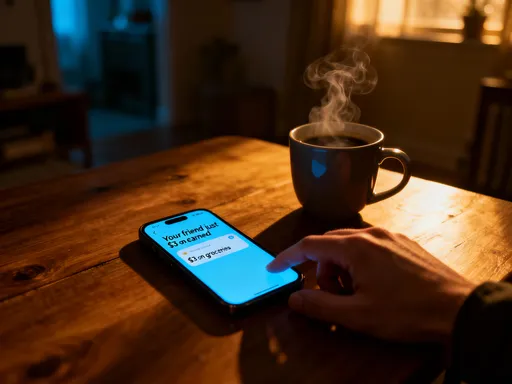
The first time I got a cashback refund, I thought it was a mistake. I had downloaded an app on a friend’s recommendation—she swore it was easy, no strings attached. I didn’t expect much. I linked my grocery store loyalty card, scanned a few receipts from our weekly shop, and forgot about it. A week later, I got a notification: $3.47 had been added to my account. I remember laughing out loud. It wasn’t life-changing money, but it felt like finding a few dollars in an old jacket—unexpected, a little magical. That tiny win made me pay attention. I started scanning receipts more consistently. I noticed which purchases gave better returns. I began planning small purchases around bonus offers, not because I was chasing every penny, but because it felt good to be aware.
Over time, something shifted. It wasn’t just about the money coming back—it was about the mindset. I started seeing my spending differently. Instead of feeling guilty about buying the kids’ favorite cereal, I’d think, “Oh, this one gives 5% back—nice.” Instead of avoiding the mall, I’d check the app to see if there was a bonus at the shoe store before buying new school shoes. The app didn’t change my habits; it just made them smarter. And that’s the beauty of it. These tools don’t demand perfection. They reward consistency. They meet you where you are. I didn’t become a coupon queen or a deal hunter. I just became a little more mindful, a little more in tune with where my money was going—and coming back.
Cutting Through the Noise: Choosing Apps That Fit Real Life
Let’s face it—not all apps are created equal. I’ve downloaded my share of duds. The ones that promised big rewards but took forever to pay out. The ones that glitched every time I tried to scan a receipt. The ones that only worked at stores I never visited. It’s frustrating, and it makes you wonder if it’s worth the effort. But the truth is, the right app can feel less like a tool and more like a quiet partner in your day-to-day. The key is finding one that fits your life, not the other way around.
Here’s what I’ve learned after trying a few: reliability matters most. If an app crashes every time you open it, it doesn’t matter how good the rewards are. Look for apps with clean, simple interfaces—nothing too flashy or complicated. You want to scan a receipt and move on, not spend ten minutes troubleshooting. Fast redemption is another big one. Some apps take months to pay out, which kills the momentum. I prefer ones that let you cash out after hitting a low threshold, like $5 or $10. It keeps the wins feeling immediate and real. And most importantly, the app should work with the stores you already shop at. I don’t want to change my grocery store just to save a dollar. But if I can earn cashback at the same supermarket where I’ve shopped for years, that’s a win I can get behind.
Integration is also key. Some apps link directly to your store loyalty cards or credit card, so you don’t even have to scan receipts. That’s been a game-changer for me. I shop as usual, and the cashback happens automatically. No extra steps, no remembering to log in. It’s the kind of tech that disappears into the background—just like a good helper should. And when it works that smoothly, it doesn’t feel like effort. It feels like a little gift every time I check my balance.
Turning Grocery Runs into Gains
Groceries are where most of us spend the most—and where small savings can add up fast. I used to dread the weekly grocery trip. It felt like a money pit. Between the kids’ snacks, the household essentials, and the surprise additions (because someone always needs glitter glue or a new water bottle), the total at checkout always seemed higher than I expected. But once I started using a cashback app specifically for groceries, that trip started to feel different. Not because I changed what I bought—but because I started earning something back on every purchase.
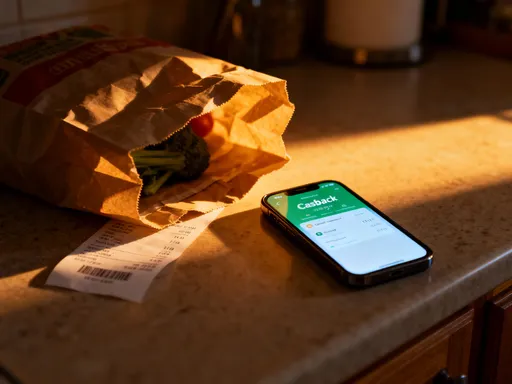
Here’s how it works for me: I go to the same supermarket every week. I shop my usual list—milk, bread, fruit, frozen veggies, toilet paper, the works. Before I check out, I open the app and activate any available offers. Sometimes it’s 5% back on produce, sometimes it’s $2 off when you spend $30 on dairy. I don’t change brands or hunt for obscure deals. I just buy what I need and let the app do its thing. After I scan the receipt, the cashback is credited within days. It’s not instant, but it’s consistent. And over time, those small amounts add up in a way that surprised me.
After six months, I checked my account and realized I’d earned over $90—just from my regular grocery shopping. That was enough to cover a birthday gift for my sister and a small family movie night. No extra effort, no lifestyle overhaul. Just a little app working in the background. The best part? It didn’t make me feel restricted. It made me feel rewarded. Like my everyday choices were finally being acknowledged. And that shift—from feeling drained by shopping to feeling a little rewarded by it—changed everything.
Teaching Teens Financial Awareness—One Receipt at a Time
One of the unexpected benefits of using cashback apps has been how it’s helped me talk to my kids about money—especially my 15-year-old daughter. I’ve always wanted to teach her about budgeting and saving, but lectures never seemed to stick. She’d nod politely, then go back to scrolling. But when I showed her how I was earning money back just by shopping, something clicked. I let her download the app on her phone, and we linked it to her allowance spending. The first time she got $1.50 back on a coffee she bought after soccer practice, she texted me: “Mom, this is so cool.”
We started making it a little game. Every Sunday, we’d compare our cashback totals. She’d tell me which purchases gave her the best return. I’d share tips—like how buying school supplies during back-to-school season often comes with bonus offers. It wasn’t a lecture. It was a shared experience. And slowly, I noticed her making different choices. She started thinking twice before impulse buys. She’d say, “Wait, does this store give cashback?” or “Maybe I should wait until there’s a bonus.” She wasn’t trying to save because I told her to—she was doing it because she could see the reward.
That’s the power of making money lessons tangible. Instead of abstract ideas like “save for the future,” she’s seeing real returns on real choices. It’s building her confidence and her independence. And as a mom, that’s everything. I’m not just teaching her to be careful with money—I’m showing her that smart choices can pay off, literally. It’s a small thing, but it’s shaping the way she sees the world. And honestly, that feels like the best return of all.
Beyond the Refund: How Small Wins Build Bigger Confidence
Here’s what I didn’t expect: the cashback app didn’t just help my budget—it helped my mindset. Every time I see that little balance grow, it reminds me that I’m paying attention. That I’m making choices. That I’m in control. It’s not about the money, not really. It’s about the feeling of competence. Of being someone who knows how to navigate the chaos of daily life and come out a little ahead. In a world that often makes us feel overwhelmed—by bills, by schedules, by endless to-do lists—having one small win every week matters.
That $3 here, $5 there—it adds up, yes. But more than that, it builds a sense of momentum. It makes me want to do a little better in other areas too. I started tracking my utility bills more closely. I began meal planning to reduce food waste. I even looked into refinancing our car loan. One small tool sparked a ripple effect of smarter decisions. And that’s the real magic of technology when it’s done right—not flashy features or complicated systems, but quiet support that empowers you to grow.
For women in our 30s, 40s, and 50s, who are often juggling so much—family, work, aging parents, personal goals—feeling capable is everything. We don’t need more pressure. We need tools that make us feel stronger, not busier. And when an app helps you keep more of what you earn, it’s not just about the dollars. It’s about the message it sends: you matter. Your time matters. Your choices matter. That kind of confidence doesn’t come from a bank account—it comes from knowing you’re showing up, doing your best, and getting a little help along the way.
Making Technology Work for You—Not the Other Way Around
At the end of the day, technology should serve us—not the other way around. We’ve all had the experience of feeling controlled by our devices, chasing notifications, signing up for apps that promise the world but deliver frustration. But the best tech doesn’t complicate life. It simplifies it. It doesn’t demand change. It adapts to you. And when it works like that, it becomes invisible in the best way—like a well-made coat that keeps you warm without weighing you down.
Cashback apps, at their best, are like that. They don’t ask you to become someone else. They don’t require you to overhaul your routine or become a bargain hunter. They just quietly make your existing habits a little more rewarding. They help you keep more of what you earn, not by taking more time, but by giving you back a little peace of mind. And for someone like me—someone who wants to provide for her family, stay on top of the budget, and still feel like herself—those quiet wins are everything.
So if you’ve ever looked at a receipt and wondered where your money went, I get it. I’ve been there. But I also know there’s a better way. It’s not about perfection. It’s about progress. It’s about using simple, smart tools that fit into your life and help you feel more in control. Because you don’t need to do more to be enough. You just need a little help seeing how capable you already are. And sometimes, that help comes in the form of a small refund, a quiet notification, and the quiet pride of knowing you’re making your money work a little harder—for you.