What If Your Home Could Keep Up with Holiday Chaos—Without You Lifting a Finger?
Imagine hosting family during the holidays—laughter in the air, meals in motion, lights twinkling—while your home quietly handles the rest. No last-minute thermostat battles, no forgotten oven timers, no frantic searches for playlist controls. What if the chaos could feel calm, not because you did more, but because your home finally understood you? That’s not magic. It’s smart home upgrades, working like a thoughtful co-host who knows exactly when to step in. You’re not chasing perfection—you’re creating peace. And that peace starts not with more effort, but with smarter support.
The Holiday Hustle Is Real—And It’s Not Just You
We’ve all been there: standing in the kitchen at 3 p.m. on Thanksgiving, sauce splattered on your apron, oven mitt in one hand, phone in the other trying to find that last-minute gravy recipe, while someone asks, ‘Is the house always this cold?’ Your brain is juggling ten things at once—guest arrival times, dish rotations, playlist volume, the dog who just knocked over the recycling bin. And somehow, you’re supposed to be relaxed and joyful? The truth is, the holiday hustle isn’t just about being busy. It’s about the invisible load—the mental checklist that never ends, the small decisions that pile up until you’re too exhausted to enjoy the very moments you’ve been planning for all year.
Think about it. You spend weeks dreaming of cozy fires, warm greetings, and shared meals. But when the day arrives, so does the pressure. Did I preheat the oven early enough? Should I turn the lights down for dinner? Is the guest bathroom stocked? These aren’t small things when you’re already stretched thin. And let’s be honest—most of us aren’t hosting in a perfectly organized, magazine-ready home. We’re doing our best in real life, with sticky fingerprints on the fridge and mismatched serving platters. The problem isn’t that we don’t care. It’s that we’re trying to manage everything manually, in a world that moves faster than our to-do lists can keep up.
But here’s the good news: you don’t have to do it all yourself. The most beautiful moments of the season don’t come from a spotless house or a perfectly timed roast. They come from connection—when your niece finally laughs at your old joke, when your dad tells a story you’ve never heard, when everyone sings along to that one carol a little off-key. What if you could protect those moments by letting your home handle the rest? That’s where smart technology comes in—not to replace you, but to support you, so you can be fully present instead of fully overwhelmed.
Why Smart Homes Shine When Life Gets Loud
Smart home tech isn’t about flashing screens or complicated setups. It’s about reducing friction. When life gets loud—when there are extra shoes by the door, kids running through the halls, and the phone won’t stop ringing—the last thing you need is another thing to manage. But what if your home could anticipate your needs? Imagine walking in from dropping off a casserole at your neighbor’s, arms full, and the door unlocks because it recognizes your phone. The lights turn on softly, just enough to see, and the thermostat adjusts to your favorite temperature. No fumbling for keys. No shouting, ‘Who left the heat at 60?’ You’re home. And your home already knows.
That’s the power of automation. It doesn’t eliminate effort—it redirects it. Instead of spending mental energy on small logistics, you can pour that energy into what really matters: conversation, laughter, rest. Studies show that decision fatigue is real, especially during high-stress times like holidays. Every tiny choice—light on or off, music playing or paused, oven checked or ignored—adds up. Smart devices help by making those choices automatic, based on your habits and preferences. Over time, they learn when you usually wake up, when guests tend to arrive, when the house needs a little more warmth. It’s like having a silent helper who remembers what you forget.
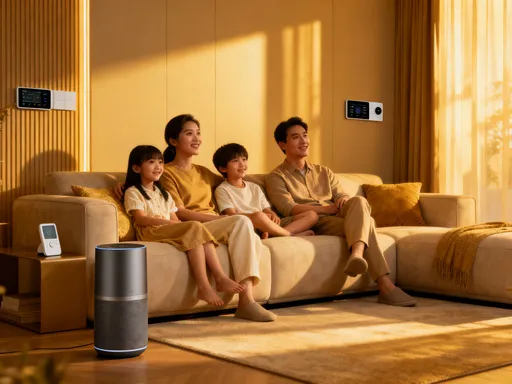
And here’s something important: using smart tech isn’t a sign that you’re obsessed with gadgets. It’s a sign that you value your time and peace. It’s an act of self-care. You wouldn’t feel guilty for using a dishwasher instead of hand-washing every plate. So why feel guilty for using a smart speaker to set timers while you’re elbow-deep in stuffing? These tools don’t make you less capable. They make you more available—available to enjoy the season, to connect with loved ones, to breathe. The goal isn’t a high-tech home. It’s a high-tranquility home.
Starting Small: One Upgrade That Changes Everything
If the idea of a ‘smart home’ feels overwhelming, start with one thing. Just one. The most life-changing upgrade for many families isn’t a full system overhaul—it’s a smart speaker. You’ve probably seen them: small, unassuming devices that sit on a shelf or counter and respond to your voice. But don’t let their size fool you. A smart speaker can be the anchor of your smart home, the first domino that makes everything else easier.
Picture this: you’re in the middle of rolling out pie dough, flour on your hands, timer ticking down for the rolls. You need to turn on the kitchen light, but you can’t touch the switch. Instead, you say, ‘Hey [device], turn on the kitchen lights.’ Done. No wiping hands, no guesswork. Or imagine it’s 7 a.m., and the house is quiet. You’re sipping coffee, still in your robe, and you say, ‘Play my morning playlist.’ Soft music fills the room. You didn’t get up. You didn’t open an app. You just asked, and it happened.
That’s the kind of small win that changes your whole day. And setting it up is easier than you think. Most smart speakers come with simple apps that guide you through Wi-Fi setup and device naming. You can start by connecting just one light or one plug. Give it a name like ‘kitchen lamp’ or ‘tree lights’ so you can control it by voice. The key is to pick a moment when you’re already doing something repetitive—like turning on lights every evening—and let the device take over. Over time, you’ll add more: a smart plug for your coffee maker, a voice command to lock the front door, a routine that turns off all lights when you say, ‘Goodnight.’
The beauty of starting small is that you build confidence. You’re not reinventing your home overnight. You’re making it a little more helpful, one voice command at a time. And the best part? These devices learn. The more you use them, the better they understand your patterns. Soon, you won’t even think about it. You’ll just live—and your home will keep up.
Cooking Without Crisis: How Smart Kitchens Save Dinners
The kitchen is the heart of the holiday home. It’s where meals are made, stories are shared, and memories simmer alongside the soup. But it’s also where stress can boil over—literally. One year, I was hosting my sister’s family for Christmas Eve. I had two desserts in the oven, a pot of mashed potatoes on the stove, and my phone was buried under a stack of recipe printouts. I stepped away to answer the door, and by the time I remembered the timer, the apple pie was smoking. I opened the oven to a cloud of gray—and a very disappointed dog staring at me like, ‘Really? This is what we get?’
That’s when I decided to try a smart oven. Not a full replacement—just a countertop model with an app and camera. The first time I used it, I set the temperature and timer from my phone while I was folding laundry upstairs. Ten minutes before it finished, my phone buzzed: ‘Your cookies are almost ready.’ I walked down, pulled them out perfectly golden, and felt like a genius. It wasn’t magic. It was just knowing.
Smart kitchen tools don’t cook for you—but they do keep you from burning dinner while helping a child with homework. A smart oven with remote monitoring lets you check the roast from the living room. A voice-controlled timer means you never lose track while chopping onions. Some smart scales even guide you through recipes step by step, telling you how much flour to add next—hands-free. And if you’re using a smart speaker, you can say, ‘Next step in the recipe,’ instead of swiping through a greasy phone screen.
These tools don’t make you a better cook. They make you a calmer one. And that calm spreads. When you’re not stressed about timing, you can laugh when the dog steals a roll. You can take an extra minute to listen to your mom’s story. You can enjoy the process, not just survive it. The kitchen stops being a pressure zone and becomes what it should be: a place of warmth, connection, and yes, even a little mess.
Lighting, Music, and Mood: Setting the Scene Without the Stress
Have you ever been in the middle of dinner, trying to carve the turkey, when someone says, ‘Can we turn the lights down? This feels like an operating room’? And then someone else jumps up, fumbles with the dimmer, trips over a chair, and the mood shifts from cozy to chaotic? We want our homes to feel inviting, but so often, the effort to create that feeling pulls us out of the moment.
Smart lighting changes that. With just a few setup minutes, you can create scenes that match your mood. ‘Dinner time’ could mean warm, soft light in the dining area and kitchen. ‘Movie night’ dims everything except a path of lights to the bathroom. You can even set schedules—like having the tree lights turn on at sunset, every evening, without lifting a finger. And if you’re using voice control, you can say, ‘Set the mood,’ and watch the room transform.
Music works the same way. Instead of asking someone to shuffle through playlists, you can say, ‘Play holiday jazz in the kitchen,’ or ‘Turn up the music in the living room.’ Some systems let you sync music across rooms, so the whole house shares the same vibe. And when dinner ends, you can transition to softer background music with one command. No more awkward silences or sudden volume spikes.
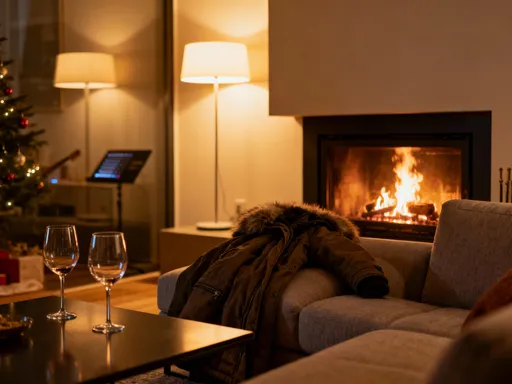
The goal isn’t a perfectly staged home. It’s a home that supports connection. When the lighting is warm and the music is just right, people relax. They talk more. They stay longer. And you don’t have to be the one running around making it happen. You can stay at the table, hands wrapped around a mug of cider, fully part of the moment. Because the mood isn’t something you have to manage—it’s something your home helps create.
Welcoming Guests Like You Knew They Were Coming
One of the sweetest parts of the holidays is welcoming people we love. But let’s be real—guests can also add pressure. You want them to feel comfortable, but you’re also juggling a dozen other things. What if your home could help you greet them before you even open the door?
Smart thermostats can detect when your guests’ phones are within a certain distance—say, 10 minutes away—and start warming up the house. No more walking into a cold entryway. You can set up routines so that when they arrive, the hallway light turns on, the thermostat adjusts, and a soft welcome message plays: ‘Happy holidays, everyone’s here!’ It’s not about showing off. It’s about making people feel cared for from the moment they pull into the driveway.
And it’s not just temperature. Imagine the guest bathroom has a smart diffuser that turns on when someone enters, releasing a light lavender scent. Or the bedside lamp in the guest room turns on gently at sunset, so they don’t have to fumble in the dark. These small touches don’t require you to be everywhere at once. They let your home extend your hospitality, even when you’re busy in the kitchen.
Personalization is key. You can create profiles for frequent guests—your sister likes the bedroom at 72 degrees, your dad prefers soft lighting in the evening. With a few taps in an app, you can make the house feel familiar to them, even if they’re only visiting for a weekend. It’s not luxury. It’s thoughtfulness, powered by technology. And when your guests say, ‘Wow, it feels so cozy here,’ they’re not just noticing the decor. They’re feeling the care.
Peace After the Party: Winding Down with Smart Help
The morning after the big gathering, the house is quiet. Dishes are in the sink, blankets are draped over the couch, and you’re standing in the kitchen, wondering how to start. That post-holiday crash is real. You’ve poured so much energy into making everything perfect, and now all you want is to rest. But the cleanup feels endless.
This is where smart home tech offers one of its quietest, most powerful gifts: permission to rest. You can set up automations that help reset the house while you recover. For example, at 10 p.m., your system can turn on the air purifier, dim the lights, and play soft white noise—your signal that it’s okay to let go. Or you can create a ‘cleanup’ routine: with one voice command, the robot vacuum starts, the dishwasher runs, and the lights in unused rooms turn off.
These aren’t about laziness. They’re about sustainability. They help you recover so you can enjoy the next day, the next visit, the next moment. And sometimes, the most loving thing you can do for your family is take care of yourself. When you’re not drained, you’re more patient, more present, more joyful. Technology doesn’t replace that. It protects it.
I remember one year, after a big dinner, I sat on the porch with my journal, wrapped in a blanket, while the house reset itself. The lights turned off room by room. The thermostat lowered. The security system armed. And I didn’t have to do a thing. I just breathed. That moment of peace wasn’t accidental. It was designed. And it was everything.
A Home That Works for the Moments That Matter
The best technology doesn’t shout. It whispers. It doesn’t demand attention. It gives it back. A smart home isn’t about having the latest gadgets or showing off a futuristic setup. It’s about creating space—for rest, for connection, for joy. It’s about removing the friction so you can focus on what really matters: the people you love and the moments you share.
You don’t need to upgrade everything at once. You don’t need to become a tech expert. You just need to start with one thing that makes your life a little easier. One voice command. One automated light. One timer you don’t have to remember. Because small changes add up. And over time, your home becomes less of a to-do list and more of a partner—one that helps you host with calm, cook with confidence, and rest with ease.
This holiday season, don’t ask yourself how much you can do. Ask how much you can enjoy. Let your home help carry the load. Let it handle the little things so you can savor the big ones. Because the magic of the holidays isn’t in perfection. It’s in presence. And with a little smart support, you can be exactly where you want to be—right here, right now, fully in the moment.